
Natashia Shelley
MA, LCMHC · NPI 1497158661
Licensed clinical mental health counselor who supports individuals and families through mood concerns, stress, and life changes.
NuTrans Health helps adults in Charlotte understand what drives anger, recognize escalation earlier, and respond with more control. Secure telehealth is also available throughout North Carolina for clients who prefer remote care.

Our clinicians help adults work through irritability, conflict, stress, trauma responses, relationship strain, and patterns that lead to regret.
Licensed clinical mental health counselor who supports individuals and families through mood concerns, stress, and life changes.

Clinical social worker who uses CBT, solution-focused methods, and strengths-based care for mood and substance-use concerns.

Dual board-certified psychiatric provider with more than 15 years of experience in evaluations and medication management.

Behavioral health clinician who connects mental health and addiction care with practical goals and whole-person support.

Licensed clinical social worker experienced in mood concerns, grief, trauma, identity, and major life transitions.

Anger often builds before it becomes obvious. A tense body, quick assumptions, repeated frustration, or feeling ignored can push the reaction forward.
Therapy looks at the whole pattern, including stress, sleep, trauma, anxiety, depression, substance use, and relationship dynamics.
Treatment focuses on the moments before, during, and after anger. The goal is to help you interrupt the cycle and choose a response that causes less harm.
You identify situations, thoughts, expectations, and body signals that commonly appear before anger rises.
You practice ways to slow the reaction, lower physical tension, and stay present long enough to make a better choice.
Therapy helps you express frustration, needs, and limits without threats, insults, shutdowns, or unnecessary escalation.
You work on accountability, relationship repair, and practical plans for situations that are likely to trigger future conflict.
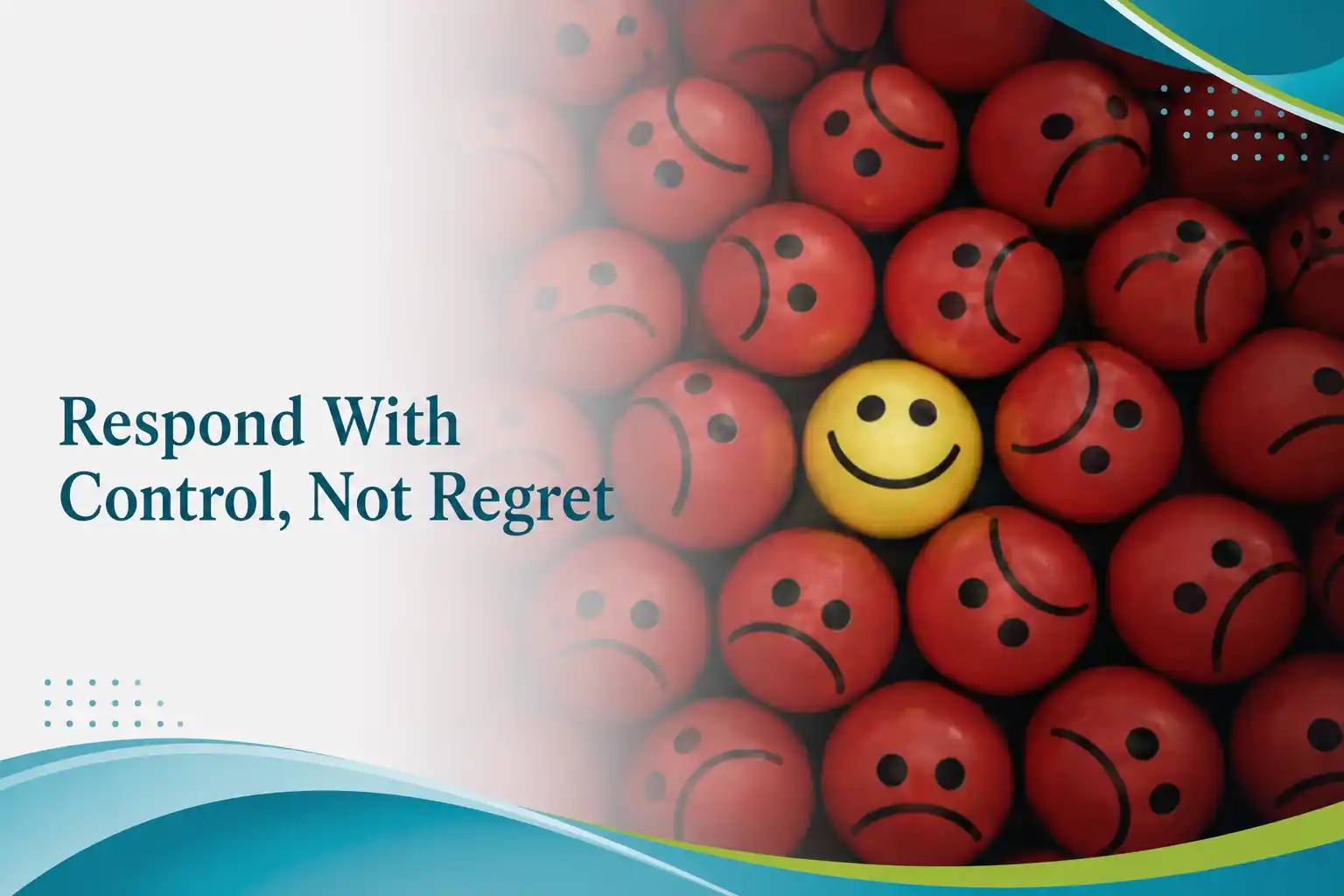
Anger management is not about never feeling angry. It is about noticing the reaction sooner and deciding what to do before the emotion takes over.
You describe what happened, what you noticed in your body, what you were thinking, and how the reaction affected other people.
Your therapist helps you identify the point where the reaction was still easier to interrupt.
You may work on breathing, reframing, communication, problem-solving, time-outs, or a plan for leaving conflict safely.
You review what worked, where anger still escalated, and how the strategy should be adjusted for the next situation.
Benefits can differ by plan and service. Our team checks coverage before care begins and explains available self-pay rates when needed.
A plan not listed may still be accepted. Contact NuTrans Health for a benefits check.
Initial evaluation
Follow-up: $100
Initial evaluation
Follow-up: $150
Initial evaluation
Follow-up: $100
Clients in Charlotte can choose local care, while secure telehealth is available to eligible adults throughout North Carolina.
Very intimate, I love the fact that they listen. I am glad I found a place where I know they care about me and my well-being.
I cannot express how much I appreciate NuTrans Health. The staff is prompt and courteous, and tele-visits fit my lifestyle and schedule well.
I had a great experience with NuTrans Health. The staff is professional, and the care I received was excellent.
Very good at listening and making a plan for future goals. I am feeling good about this.
Anger management therapy can help you understand triggers, slow impulsive reactions, communicate more clearly, repair conflict, and build healthier ways to handle frustration.
No. Therapy can also help with frequent irritability, resentment, shutdowns, harsh communication, road rage, workplace conflict, or anger that builds internally.
You and your therapist review recent situations, identify the thoughts and body signals that appeared before the reaction, and practice a more useful response.
Yes. Anger may be affected by anxiety, depression, trauma, sleep problems, grief, substance use, chronic stress, or relationship strain. Therapy looks at the full pattern.
The length of treatment varies based on your goals, the severity of the pattern, how often it occurs, and how consistently you practice new skills.
Yes. NuTrans Health provides secure telehealth appointments to eligible clients throughout North Carolina, including people who live outside Charlotte.
NuTrans Health accepts many major insurance plans. Coverage and copays vary, so the team verifies your benefits before your first appointment.
Anger can damage trust, work, relationships, and self-respect when it moves faster than your judgment. Therapy helps you recognize the pattern earlier and choose a response you can stand behind.