
Natashia Shelley
MA, LCMHC · NPI 1497158661
Licensed clinical mental health counselor who supports individuals and families through mood concerns, stress, and life changes.
NuTrans Health provides trauma-informed counseling for adults in Charlotte and secure telehealth throughout North Carolina. Therapy can address distressing memories, triggers, sleep problems, anxiety, emotional numbness, irritability, and the ways trauma affects daily life.

Our clinicians support adults dealing with trauma responses, grief, anxiety, mood concerns, relationship strain, and substance-use concerns.
Licensed clinical mental health counselor who supports individuals and families through mood concerns, stress, and life changes.

Clinical social worker who uses CBT, solution-focused methods, and strengths-based care for mood and substance-use concerns.

Dual board-certified psychiatric provider with more than 15 years of experience in evaluations and medication management.

Behavioral health clinician who connects mental health and addiction care with practical goals and whole-person support.

Licensed clinical social worker experienced in mood concerns, grief, trauma, identity, and major life transitions.
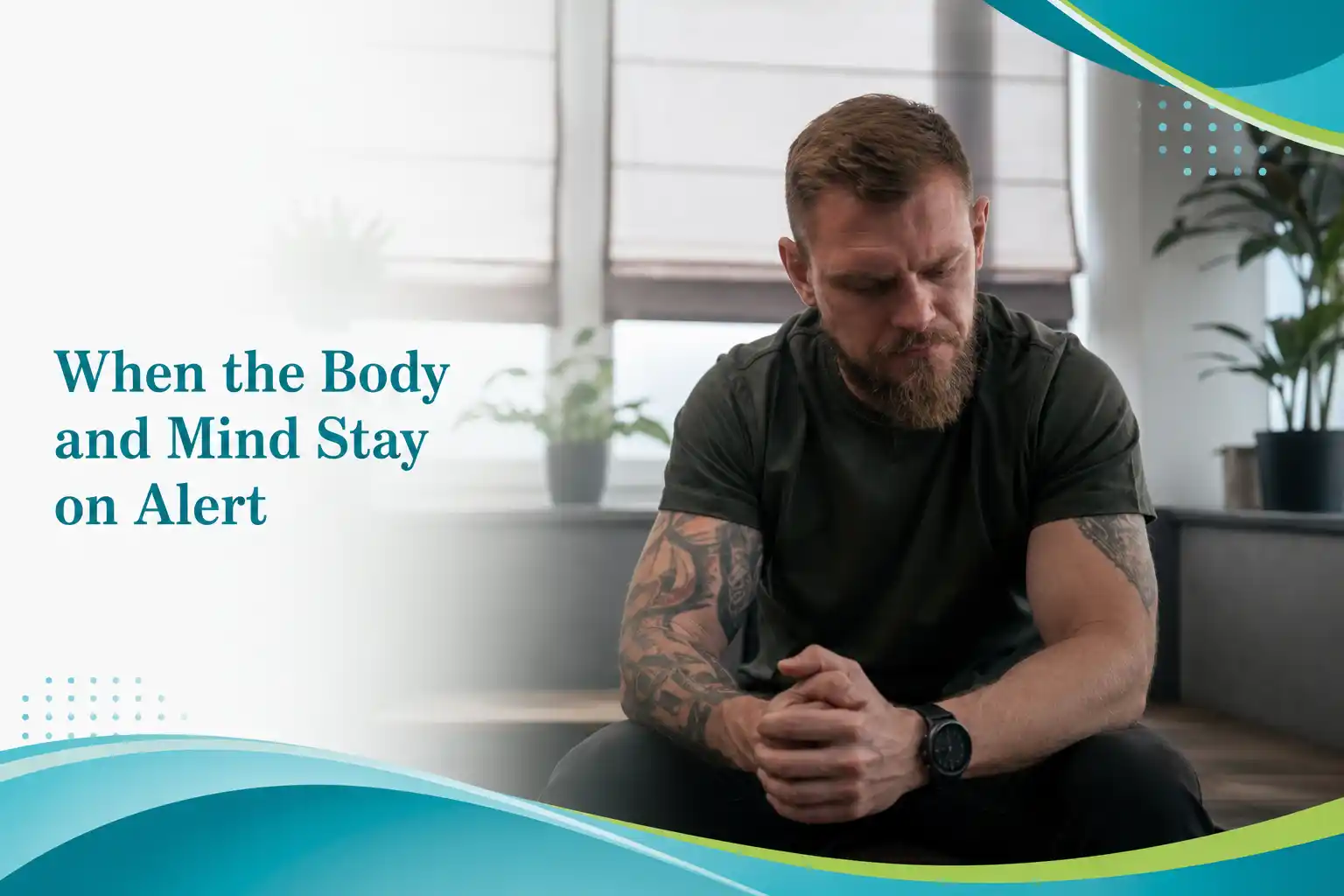
Trauma responses can continue after the immediate danger has passed. Everyday sounds, places, conversations, or situations may trigger fear, tension, memories, or a strong need to escape.
Trauma symptoms can overlap with anxiety, depression, grief, substance use, and other concerns. A careful assessment helps clarify what support fits your situation.
Treatment starts with safety and trust. Your therapist adjusts the pace and methods around your symptoms, goals, history, and readiness.
You learn grounding, breathing, sleep, and emotional regulation skills before working with more difficult material.
Therapy can help you examine guilt, shame, fear, self-blame, and beliefs that developed after the trauma.
You identify situations that activate trauma responses and create practical ways to respond without feeling controlled by them.
Psychiatric evaluation and medication management can be coordinated when symptoms need additional assessment or support.

PTSD counseling is not about forcing you to relive everything at once. Early work often focuses on helping you feel more grounded, understand your reactions, and regain control in daily situations.
You can begin with current symptoms, daily challenges, and what you want help managing. You do not need to share every detail immediately.
Your therapist helps you practice grounding, emotional regulation, sleep support, and ways to respond when triggers appear.
Treatment may focus on reducing avoidance, changing trauma-related beliefs, improving relationships, and returning to valued activities.
Your therapist checks what is helping, what still feels difficult, and whether the treatment pace or approach needs adjustment.
Benefits can differ by plan and service. Our team checks coverage before care begins and explains available self-pay rates when needed.
A plan not listed may still be accepted. Contact NuTrans Health for a benefits check.
Initial evaluation
Follow-up: $100
Initial evaluation
Follow-up: $150
Initial evaluation
Follow-up: $100
Clients in Charlotte can choose local care, while secure telehealth is available to eligible adults throughout North Carolina.
Very intimate, I love the fact that they listen. I am glad I found a place where I know they care about me and my well-being.
I cannot express how much I appreciate NuTrans Health. The staff is prompt and courteous, and tele-visits fit my lifestyle and schedule well.
I had a great experience with NuTrans Health. The staff is professional, and the care I received was excellent.
Very good at listening and making a plan for future goals. I am feeling good about this.
PTSD counseling can help with distressing memories, nightmares, avoidance, anxiety, guilt, irritability, emotional numbness, sleep problems, relationship strain, and feeling constantly alert or unsafe.
No. You can begin therapy because trauma-related symptoms are affecting your life. A qualified provider can discuss whether a formal evaluation is appropriate.
Not immediately. Trauma-informed therapy begins with safety, trust, and coping skills. Your therapist will discuss what feels manageable and will not force you to share details before you are ready.
The length of treatment varies. It depends on your symptoms, goals, history, current stress, support system, and the treatment approach you and your therapist choose.
Therapy can address habits, triggers, anxiety, and trauma responses that affect sleep. Your provider may also discuss psychiatric evaluation when symptoms need additional assessment.
Yes. NuTrans Health provides secure telehealth appointments to eligible clients throughout North Carolina, including people who live outside Charlotte.
NuTrans Health accepts many major insurance plans. Coverage and copays vary, so the team verifies your benefits before your first appointment.
Trauma can keep affecting sleep, relationships, work, and everyday decisions long after the event has passed. Counseling gives you a structured place to understand those reactions and build a steadier way forward.