
Natashia Shelley
MA, LCMHC · NPI 1497158661
Licensed clinical mental health counselor supporting adults, children, and families through stress, mood concerns, trauma, and major life changes.
NuTrans Health provides trauma-informed PTSD counseling in Raleigh and secure telehealth across North Carolina. Therapy can help you understand triggers, manage distressing memories, improve sleep, and feel safer in daily life.
Our counselors and psychiatric provider support adults dealing with trauma responses, anxiety, mood changes, sleep concerns, grief, relationship strain, and substance-use concerns.
Licensed clinical mental health counselor supporting adults, children, and families through stress, mood concerns, trauma, and major life changes.

Licensed clinical social worker and addiction specialist helping clients address trauma, recovery, emotional health, and relationship concerns.

Board-certified psychiatric mental health nurse practitioner providing evaluation and medication management when symptoms need coordinated support.

Behavioral health professional supporting adults with trauma, substance-use concerns, stress, emotional regulation, and life transitions.

Licensed clinical social worker and addiction specialist providing structured support for trauma, recovery, mood concerns, and family stress.
Trauma responses can continue long after danger has passed. They may affect your sleep, concentration, relationships, work, and ability to relax.
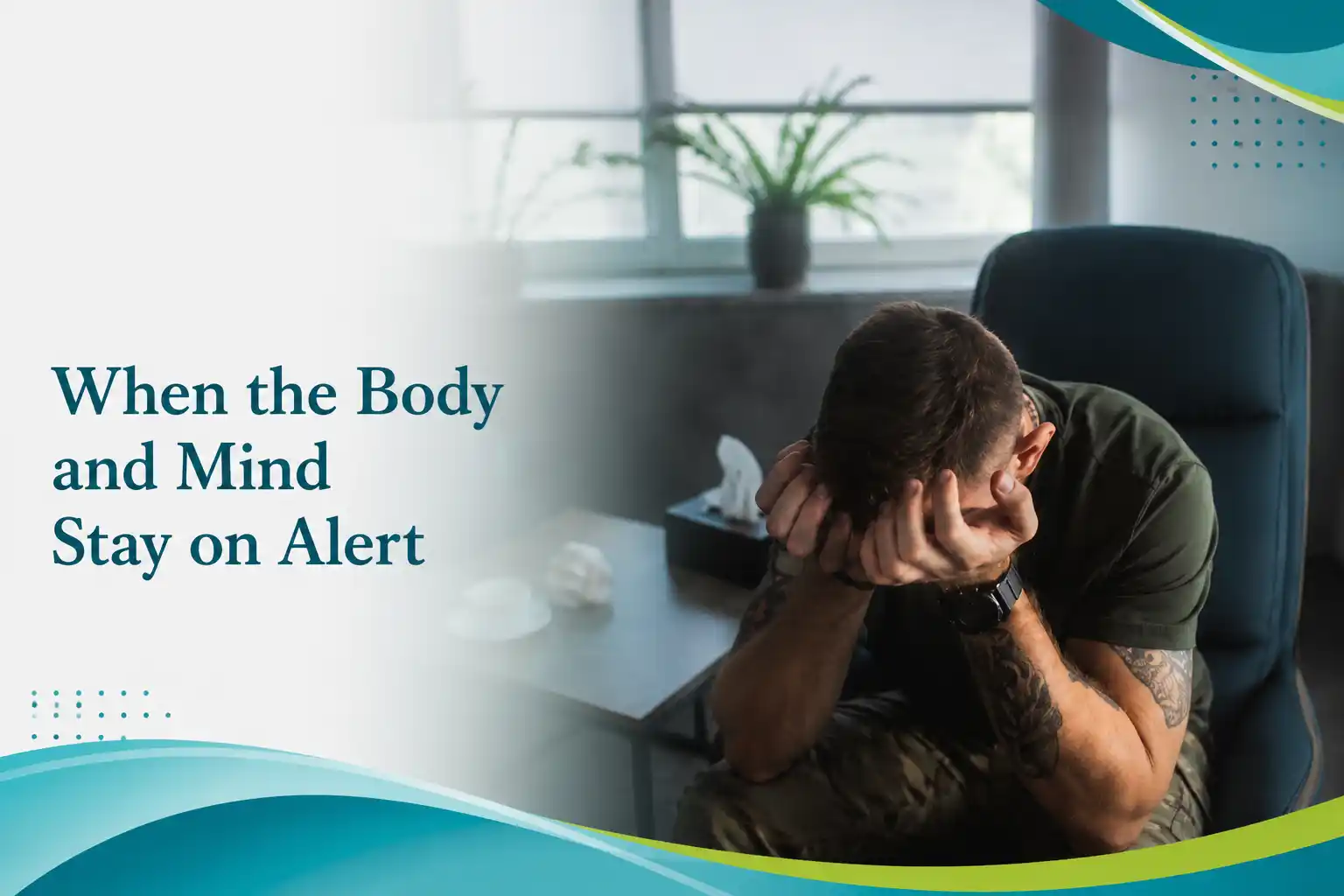
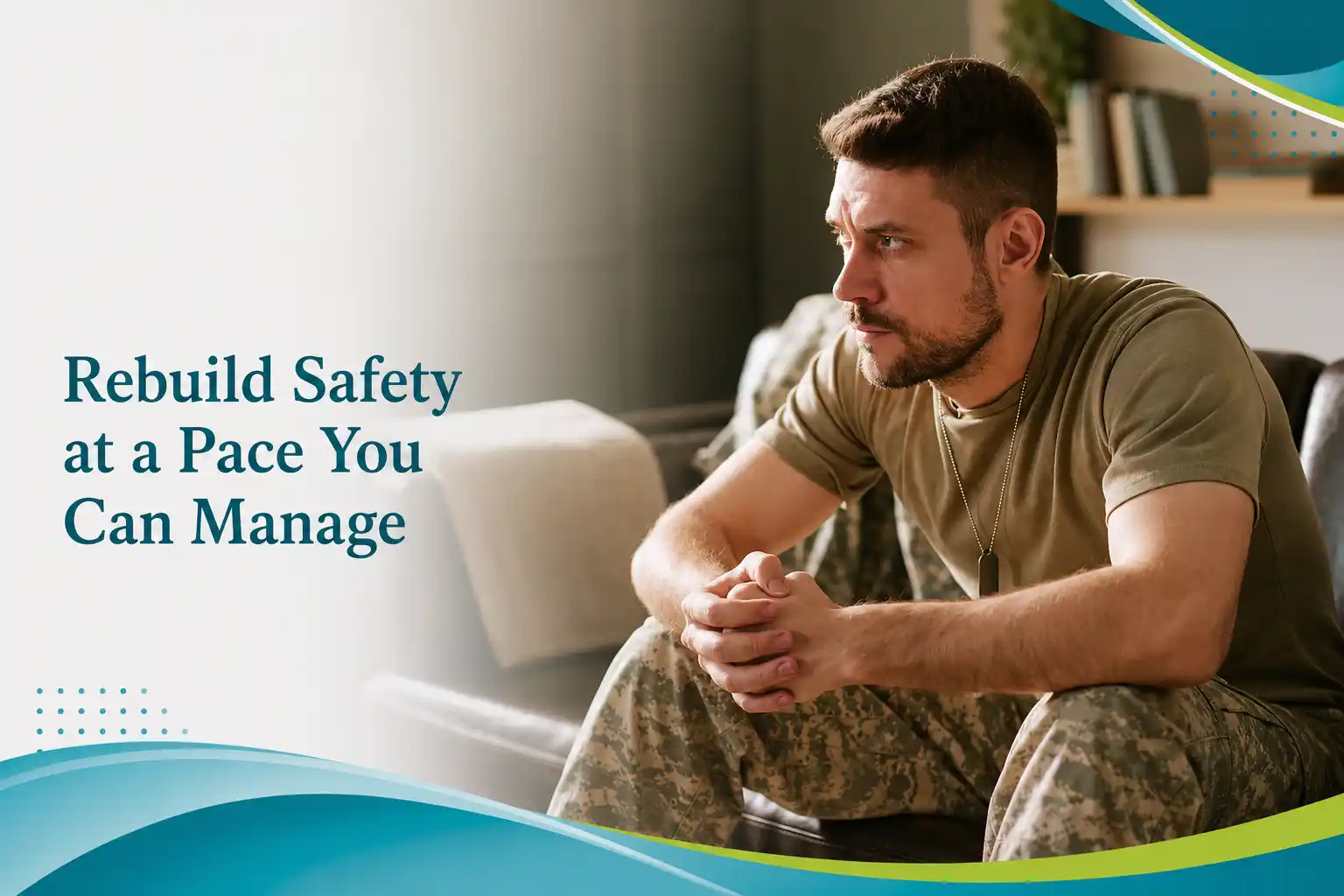
PTSD counseling does not begin by forcing you to relive every detail. Your therapist first works with you to build trust, understand current symptoms, and create tools that make difficult moments more manageable.
Your care plan is shaped around the symptoms affecting your life, rather than a one-size-fits-all checklist.
Understand what activates distress and practice ways to respond without becoming overwhelmed or shutting down.
Address anxiety, routines, and trauma responses that make it difficult to fall asleep, stay asleep, or feel rested.
Take manageable steps toward activities, places, relationships, and responsibilities that trauma has pushed away.
Examine painful beliefs and reactions without judgment, then develop healthier ways to process and communicate them.
Work on boundaries, communication, emotional closeness, and the effects trauma can have on family and partnerships.
Build routines and coping systems that support focus, decision-making, responsibilities, and a steadier daily rhythm.
Care begins with your current needs and safety. You and your provider decide what to address first and how quickly to move.
Your provider asks about symptoms, history, sleep, health, relationships, substance use, safety, and your goals for care.
You identify priorities, choose practical goals, and discuss the approaches that fit your symptoms and comfort level.
Sessions may include grounding, emotional regulation, trigger planning, cognitive work, and gradual processing when appropriate.
Your therapist checks what is changing and adjusts the plan as your needs, symptoms, and daily life evolve.

Trauma care should feel structured without feeling rushed. Our team focuses on practical support, clear communication, and coordinated treatment.
NuTrans Health accepts many major insurance plans. Coverage, deductibles, and copays vary, so our team can verify your benefits before care begins.
Plan participation can change. Contact the office for current network and benefit information.
60-minute self-pay initial therapy appointment.
60-minute self-pay follow-up therapy appointment.
Clients describe a team that listens, communicates clearly, and makes mental health care easier to access.
She is an absolutely amazing therapist and such a strong woman. She goes above and beyond for all of her clients. She is the best therapist my children and husband have had.
Very intimate. I love the fact that they listen. I am glad I found a place where they care about me and my well-being.
I cannot express how much I appreciate NuTrans Health. The staff is prompt and courteous, and tele-visits fit my schedule well.
Natasha Shelley is fantastic. My six-year-old actually looks forward to her sessions.
Meet with your provider in Northwest Raleigh or choose secure telehealth when attending from home works better.
We serve clients from Raleigh, Cary, Morrisville, Apex, Wake Forest, Garner, Knightdale, and nearby communities. Telehealth is available across North Carolina.
PTSD counseling can help with distressing memories, nightmares, avoidance, anxiety, guilt, irritability, emotional numbness, sleep problems, relationship strain, and feeling constantly alert or unsafe.
No. You can begin therapy because trauma-related symptoms are affecting your life. A qualified provider can discuss whether a formal evaluation is appropriate.
Not immediately. Trauma-informed therapy begins with safety, trust, and coping skills. Your therapist will discuss what feels manageable and will not force you to share details before you are ready.
The length of treatment varies. It depends on your symptoms, goals, history, current stress, support system, and the treatment approach you and your therapist choose.
Therapy can address trauma responses, habits, triggers, and anxiety that affect sleep. Your provider may also discuss psychiatric evaluation when symptoms need additional assessment.
Yes. NuTrans Health provides secure telehealth appointments to eligible clients throughout North Carolina, including people who live outside Raleigh.
NuTrans Health accepts many major insurance plans. Coverage and copays vary, so the team can verify your benefits before your first appointment.
Trauma can keep affecting sleep, relationships, work, and daily decisions long after the event has passed. Counseling gives you a structured place to understand those reactions and build a steadier way forward.