The need for mental health services is high in North Carolina and across the United States. In 2023, one in four adults in North Carolina presented symptoms of anxiety and/or depressive disorders, compared to one in three adults in the United States. Unfortunately, the death rate associated with substance use has risen from thirteen per 100,000 to 39.2 per 100,000 in an eight year period since 2021, higher than the rate of increase for the rest of the country. These signs explain the increasing need for mental health services and therapy in the general population, not only in North Carolina but across the United States.
What is Teletherapy?

Teletherapy is a modern way of providing mental health care through which people can get to see therapists via video calls. About four in ten Americans have tried teletherapy, and for many, it has made treatment more accessible, especially for those who face barriers to in-person visits. The COVID-19 pandemic and the growth of platforms like Zoom have also fueled its rise. Teletherapy is particularly helpful for people with busy schedules, those living in rural areas, individuals with disabilities, or anyone who feels stigma about seeking care in person. By bringing therapy directly to a client’s preferred location, telehealth ensures quality care is more convenient and within reach.
What is In-Person Counseling?

In-person counseling is the traditional type of counseling where people get to see a therapist in person in an office setting. This type of intervention provides for the development of stronger interpersonal relationships since nonverbal cues like body language and tone of voice play a big role in communication and emotional interaction. People tend to feel more focused and committed to the healing process when they are in a designated therapy room. In-person therapy is especially useful for people who like direct communication, need assistance, or require a thorough psychological evaluation that their therapist can’t do over the phone.
What is the main difference between teletherapy and in-person counseling?
Both teletherapy and in-person counseling offer unique benefits, but the right choice depends on what fits your needs. To help you decide, here are some key factors to compare before choosing the approach that’s right for you:
| Factor | Teletherapy | In-Person Counseling |
|---|---|---|
| Accessibility | Available anywhere with internet | Requires travel to a therapist’s office |
| Effectiveness | Studies show comparable results for many conditions | Can provide deeper nonverbal communication cues |
| Comfort and Privacy | At-home convenience, but potential distractions | Private, dedicated space for therapy |
| Technology | Requires internet and a device | No tech needed |
| Cost and Insurance | Often more affordable, flexible pricing | May have higher costs due to office fees |
Pros and Cons of Teletherapy vs. In-Person Counseling
Advantages and Disadvantages of Teletherapy
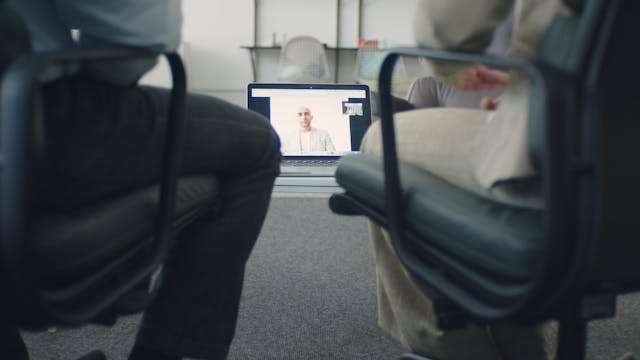
Each approach to therapy has its own advantages and challenges. Comparing the pros and cons of teletherapy and in-person counseling can help you find the right fit.
Teletherapy

Teletherapy has emerged as a popular solution for people who need mental health care that can be administered through the phone or online. The following are the advantages and disadvantages of teletherapy:
Pros:
- Convenient and Flexible: The sessions are flexible in terms of time and can be held at home, at work, or while traveling.
- Removes Geographical Barriers: Teletherapy helps to overcome barriers related to geographical location, making it easier for people confronted with transportation challenges, or those residing in rural or underserved areas, to access professional help.
- Often More Affordable: Many providers can offer lower fees or a sliding fee scale without the office space.
Cons::
- Requires Stable Internet and a Device: A poor internet connection can interrupt a session and affect the quality of the therapeutic process.
- May Feel Less Personal: Some clients complained of a lack of closeness compared to face-to-face therapy.
- Potential Privacy Concerns at Home: It is not always easy to find a quiet and private place to hold sessions if one is living with others.
In-Person Counseling
In-person counseling is the traditional model and provides a more comprehensive and immersive therapeutic process. The following are some of the advantages and disadvantages of in-person counseling:
Pros:
- Face-to-face Interaction: Nonverbal reactions, such as body language and eye contact, can enhance the therapeutic relationship and the client’s understanding.
- Structured Environment: A therapy room can assist the client with remaining focused and emotionally involved in the process.
- Beneficial for Complex Cases: Patients who need hands-on treatment or detailed evaluation prefer face-to-face contact with their therapist.
Cons::
- Requires Traveling: This can be a challenge, especially for those who have to spend a lot of money on transportation or those who have to use a lot of time to get to the appointment.
- Limited Availability: Therapists are limited in certain areas, and some have long waiting lists or specific working hours.
- Potentially Higher Costs: The cost of in-person care may include the cost of renting the facility.
How Can You Decide Which Approach is Right for You?
When it comes to choosing between teletherapy and in-person counseling, there are a number of factors to consider. Some of the questions you need to ask yourself include:
“Do I have a flexible schedule?”
“Am I comfortable with technology?”
“Do I like meeting people in person?”
“Is privacy at home an issue?”
“What are my insurance and budget limitations?”
These factors will help you make a decision. Teletherapy could be most suitable for people with busy schedules, parents, people living in the countryside, or those who are comfortable with online therapy. On the other hand, in-person counseling may be best for those who like face-to-face interaction, those who want a more structured and formal therapy setting, or those who need certain evaluations that cannot be done virtually.
Why Choose NuTrans Health?
NuTrans Health has simplified the process of getting professional mental health care through convenient teletherapy services. We connect you with licensed mental health professionals who meet your needs at any stage of your path to wellness. With NuTrans, you can access therapy anytime, anywhere, without leaving home. We believe that care should be easily accessible with just a click for those who need it without disrupting their daily schedule. Our network is now growing! As of today, we have licensed therapists serving patients in Freehold, NJ, Raleigh and Charlotte, NC. NuTrans Health also offers comprehensive support services for therapists and providers.
Find the Support That’s Right for You

Your selection between in-person counseling and teletherapy will be based on your life schedule, level of comfort with technology, treatment preferences, and goals. Both the virtual session and the in-person setting are effective. But the most important thing is finding the right support that makes you feel seen, heard, and empowered.
Ready to start your mental health journey?
Meet our Therapists & Psychiatrists in North Carolina, and New Jersey and schedule your first appointment with NuTrans Health today.
Contact NuTrans Health