Conditions that occur with anxiety are depression, PTSD, OCD, and sleep disorders, which can intensify symptoms and make recovery more complex. According to the National Institute of Mental Health, nearly 60% of individuals with anxiety also experience another mental health disorder, highlighting how common these overlaps are.
These overlapping conditions, known as co-occurring disorders, are often overlooked or misunderstood. As a result, many people focus only on anxiety without addressing the underlying or accompanying issues that may be driving it. In this guide, we cover the most common conditions linked with anxiety, why they occur together, and how this understanding supports more effective treatment and long-term mental health.
Table of Contents- What Are Co-Occurring Disorders?
- Why Anxiety Often Occurs with Other Disorders
- Most Common Conditions That Occur with Anxiety
- Warning Signs of Co-Occurring Disorders
- How Co-Occurring Disorders Are Diagnosed
- Challenges in Diagnosing Co-Occurring Disorders
- Treatment Approaches for Co-Occurring Anxiety
- How to Protect Your Mental Health
- Connect with Nutrans Health to Get Professional Mental Health Support
What Are Co-Occurring Disorders?
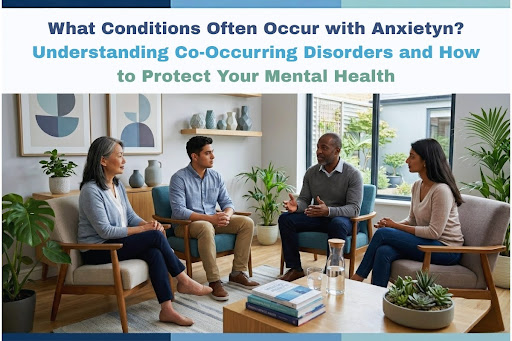
Co-occurring disorders are conditions where anxiety exists alongside one or more mental health disorders, such as depression, PTSD, or substance use disorder.
Co-occurring disorders (also known as comorbid conditions) refer to two or more mental health or medical conditions that occur simultaneously in the same individual.
When multiple conditions exist together:
- Symptoms can overlap and intensify
- Diagnosis becomes more complex
- Treatment requires an integrated approach
According to the Substance Abuse and Mental Health Services Administration, co-occurring mental health conditions require an integrated approach to treatment, as addressing only one disorder often leads to incomplete or short-term results.
Why Anxiety Often Occurs with Other Disorders
There are several reasons anxiety frequently coexists with other disorders:
1. Brain Chemistry
Many mental health conditions involve similar neurotransmitters:
- Serotonin
- Dopamine
- GABA
An imbalance in these systems can trigger multiple disorders simultaneously.
2. Chronic Stress Response
Anxiety keeps the body in a constant “fight-or-flight” mode, increasing vulnerability to:
- Depression
- Burnout
- Physical illness
3. Behavioral Patterns
Avoidance, overthinking, and fear responses associated with anxiety can:
- Reinforce depressive thoughts
- Lead to substance use
- Disrupt sleep patterns
4. Life Experiences
Trauma, chronic stress, or adverse childhood experiences often contribute to multiple overlapping conditions.
Research from the World Health Organization highlights that exposure to trauma significantly increases the likelihood of developing multiple mental health conditions, including anxiety-related disorders.
Most Common Conditions That Occur with Anxiety
Anxiety is often accompanied by other mental health conditions that can overlap in symptoms and make diagnosis and treatment more complex. Let’s break down the most frequently associated disorders:
1. Depression
Depression and anxiety are the most common co-occurring mental health conditions.
How They Overlap
- Anxiety causes excessive worry about the future
- Depression creates hopelessness about the present
- Together, they can form a cycle of fear and helplessness.
Common Symptoms
- Persistent sadness
- Loss of interest in activities
- Fatigue
- Difficulty concentrating
- Irritability
Why They Coexist
- Shared biological pathways
- Negative thinking patterns
- Chronic stress
2. Panic Disorder
Panic disorder is characterized by sudden and intense episodes of fear (panic attacks).
Symptoms of Panic Attacks
- Rapid heartbeat
- Shortness of breath
- Chest pain
- Dizziness
- Feeling of losing control
Connection to Anxiety
People with generalized anxiety are more likely to:
- Develop panic attacks
- Fear of having future attacks
This leads to anticipatory anxiety, making symptoms worse.
3. Social Anxiety Disorder
Social anxiety involves an intense fear of being judged or embarrassed in social situations.
Common Signs
- Avoiding social interactions
- Fear of public speaking
- Excessive self-consciousness
- Physical symptoms (sweating, trembling)
Overlap with General Anxiety
Many individuals experience both:
- General worry
- Specific social fears
This combination often leads to isolation and loneliness.
4. Obsessive-Compulsive Disorder (OCD)
OCD involves:
- Obsessions (intrusive thoughts)
- Compulsions (repetitive behaviors to reduce anxiety)
Examples
- Fear of contamination → excessive washing
- Fear of harm → repeated checking
Relationship with Anxiety
OCD is driven by anxiety and fear, making it closely linked to anxiety disorders.
5. Post-Traumatic Stress Disorder (PTSD)
PTSD develops after experiencing or witnessing traumatic events.
Symptoms
- Flashbacks
- Nightmares
- Hypervigilance
- Emotional numbness
Why It Co-Occurs with Anxiety
Trauma rewires the brain’s fear system, leading to:
- Chronic anxiety
- Heightened stress responses
6. Substance Use Disorders
Many individuals use substances to cope with anxiety symptoms.
Common Substances
- Alcohol
- Prescription sedatives
- Recreational drugs
The Cycle
- Anxiety → substance use
- Temporary relief
- Increased dependence
- Worse anxiety
This creates a dangerous feedback loop.
7. Sleep Disorders
Sleep problems are extremely common in people with anxiety.
Common Issues
- Insomnia
- Restless sleep
- Night waking
Why It Happens
- Racing thoughts
- Hyperarousal
- Stress hormones
Lack of sleep further worsens anxiety, creating a vicious cycle.
8. Eating Disorders
Eating disorders often co-occur with anxiety due to control and emotional regulation issues.
Types
- Anorexia nervosa
- Bulimia nervosa
- Binge eating disorder
Connection
Food behaviors can become a way to:
- Cope with stress
- Regain control
- Manage emotions
Warning Signs of Co-Occurring Disorders
When anxiety occurs alongside other mental health conditions, symptoms often overlap and become more intense. Recognizing early signs is crucial.
Emotional Signs
- Persistent worry + sadness
- Mood swings
- Irritability
Behavioral Signs
- Avoidance of people/situations
- Substance use
- Changes in eating habits
Physical Signs
- Fatigue
- Sleep disturbances
- Headaches or body tension
Cognitive signs
- Difficulty concentrating
- Racing thoughts
- Excessive fear
- Negative thinking patterns.
How Co-Occurring Disorders Are Diagnosed
A comprehensive diagnosis allows for a more targeted treatment plan that addresses the full range of symptoms and improves long-term recovery outcomes.
1. Clinical Assessment and History
Mental health professionals typically begin with a detailed clinical assessment. This includes discussing symptoms, medical history, lifestyle factors, and any past experiences with trauma or stress.
2. Diagnostic Criteria and Standards
Clinicians rely on guidelines from the American Psychiatric Association, particularly the Diagnostic and Statistical Manual of Mental Disorders (DSM-5), to identify specific disorders and distinguish between similar conditions.
3. Psychological Evaluations and Screening Tools
In many cases, screening tools and psychological evaluations are used to assess symptom severity. These may include structured questionnaires designed to measure anxiety, depression, trauma-related symptoms, or substance use patterns, helping create a clearer overall picture.
Challenges in Diagnosing Co-Occurring Disorders
- Symptoms overlap across multiple conditions (e.g., sleep issues, fatigue, concentration problems)
- One disorder may mask or mimic another
- Patients may underreport symptoms such as substance use or trauma
- Misdiagnosis can occur when only primary symptoms are evaluated
- Co-occurring conditions may develop at different times, making patterns harder to identify
Treatment Approaches for Co-Occurring Anxiety
Early treatment can prevent symptoms from worsening and reduce the risk of developing additional conditions. Addressing both anxiety and co-occurring disorders early improves long-term outcomes and quality of life.
1. Therapy (Psychotherapy)
- Cognitive Behavioral Therapy (CBT)- Identifies negative thought patterns along with teaching coping strategies
- Exposure Therapy- Gradually reduces fear responses
- Trauma-Focused Therapy- Used for PTSD
2. Medication
Common options include:
- Antidepressants (SSRIs, SNRIs)
- Anti-anxiety medications
Medication should always be:
- Prescribed by professionals
- Monitored carefully
3. Lifestyle Interventions
Daily habits play a significant role in managing anxiety and co-occurring conditions.
- Regular physical activity helps reduce stress and improve mood
- Consistent sleep routines support emotional stability
- Balanced nutrition contributes to overall brain health
Small, consistent changes in lifestyle can have a long-term impact on mental well-being.
4. Mindfulness & Stress Reduction
- Meditation
- Deep breathing
- Yoga
These practices help regulate the nervous system.
5. Support Systems
- Family support
- Support groups
- Community connections
Isolation worsens anxiety—connection heals.
How to Protect Your Mental Health
Protecting your mental health is essential, especially when dealing with anxiety and co-occurring disorders. While professional treatment plays a key role, daily habits and early awareness can significantly reduce the risk of symptoms worsening over time.
Recognize Early Warning Signs
Pay attention to early changes such as:
- Persistent worry or overthinking
- Sleep disturbances or insomnia
- Fatigue or low energy
- Loss of interest in daily activities
Early recognition allows for timely intervention and better outcomes.
Build Healthy Coping Strategies
Focus on replacing harmful habits with positive ones:
- Regular physical activity
- Journaling or self-reflection
- Talking openly with trusted individuals
- Practicing relaxation techniques
These strategies help improve emotional resilience and reduce anxiety levels.
Maintain Consistent Routines
Create structure in your daily life by:
- Following a consistent sleep schedule
- Eating balanced meals at regular times
- Planning daily tasks and activities
Routine helps regulate both mental and physical well-being—learn more about why consistency matters in mental health treatment.
Limit Harmful Substances
Be mindful of substances that can worsen anxiety:
- Reduce caffeine intake
- Avoid excessive alcohol consumption
- Stay away from recreational drug use
These can increase anxiety symptoms and lead to dependency over time.
Set Boundaries and Manage Stress
Reduce overwhelm by:
- Limiting overcommitment
- Saying no when necessary
- Managing workload effectively
- Taking breaks when needed
Healthy boundaries prevent burnout and support long-term stability. Explore how to set healthy boundaries to support emotional well-being.
Stay Connected
Strengthen your support system by:
- Staying in touch with friends and family
- Joining support groups or communities
- Engaging in social activities
Connection helps reduce isolation and improves mental health.
Seek Professional Support When Needed
Consider professional help if symptoms persist or worsen:
- Therapy or counseling
- Medical evaluation and treatment
- Ongoing mental health support
Early intervention can significantly improve long-term outcomes.
Connect with Nutrans Health to Get Professional Mental Health Support
Anxiety often occurs alongside conditions like depression, PTSD, and sleep disorders, making symptoms more complex and harder to manage without a comprehensive approach. Understanding and addressing these co-occurring disorders is key to achieving accurate diagnosis, effective treatment, and long-term mental health improvement. If anxiety is impacting your daily life, professional support can make a real difference.
At Nutrans Health, you can connect with experienced therapists in New Jersey who provide personalized, evidence-based treatment for anxiety and co-occurring disorders together for lasting results.
Take the first step toward better mental health, as early support leads to better long-term outcomes.
Related Blogs
Mental Health Services in Raleigh NC and How AI Improves It
Mental Health Services in Raleigh NC and How AI...
Read MoreMental Health Counseling and Workplace Stress in Raleigh
Mental Health Counseling and Workplace Stress in Raleigh The...
Read MoreTeletherapy vs. In-Person Counseling: Which One is Right for You?
Teletherapy vs. In-Person Counseling: Which One is Right for...
Read More