Mental health challenges exist on a wide spectrum. For some individuals, periods of stress, anxiety, or low mood can be effectively managed through lifestyle adjustments, outpatient therapy, and the support of trusted friends or family members. For others, symptoms may grow more persistent, disruptive, or severe, reaching a point where structured, frequent, and specialized care becomes necessary to restore stability and safety.
Recognizing when you or someone you love may need a higher level of mental health support can be life-changing and in some cases, lifesaving. Unfortunately, many people delay seeking additional help because they feel ashamed, unsure, or confused about what “higher level of care” really means.
This comprehensive guide explores the signs that indicate it may be time to consider more intensive mental health support, what those levels of care look like, and how to take the next step.
Table of Contents- Levels of Mental Health Care
- Warning Signs That Additional Mental Health Support May Be Needed
- What a Higher Level of Care Actually Looks Like
- Myths About Higher-Level Care
- How to Decide If It’s Time
- How to Seek Higher-Level Support
- What to Expect Emotionally
- Why Early Intervention Matters in Mental Health Care
- How to Support Someone Who May Need More Intensive Care
- When Progress Requires a Change in Care
- NuTrans Health Provides The Right Care at the Right Time
Levels of Mental Health Care
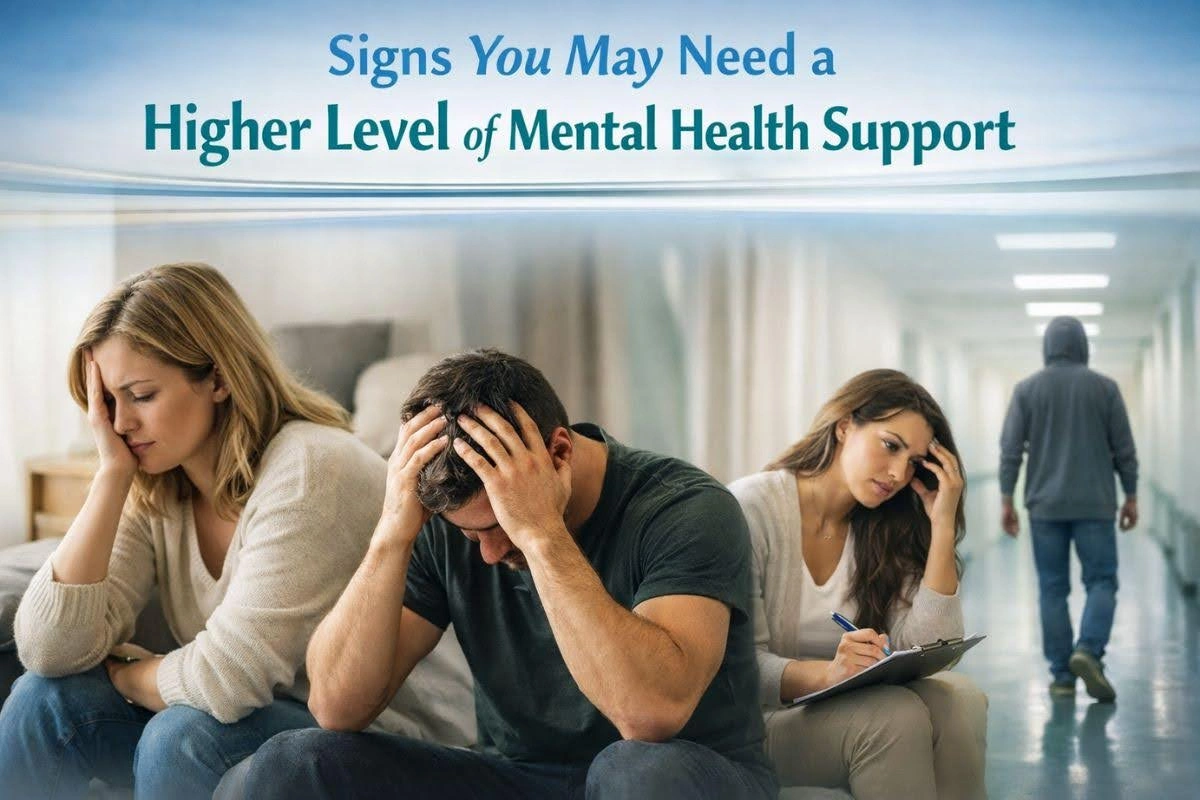
Mental health treatment is not built on a single formula. Care exists on a continuum, and individuals move up or down that continuum based on their needs.
Common levels of care include:
- Outpatient Therapy: Weekly or biweekly sessions with a therapist.
- Intensive Outpatient Programs (IOP): Multiple therapy sessions per week while living at home.
- Partial Hospitalization Programs (PHP):Structured day programs offering several hours of treatment daily.
- Residential Treatment: 24-hour care in a structured therapeutic environment.
- Inpatient Hospitalization: Short-term, intensive psychiatric care for safety and stabilization.
Moving to a higher level of care does not mean failure. It means your needs have shifted, and your treatment should shift with them.
Warning Signs That Additional Mental Health Support May Be Needed
Recognizing the early warning signs can help you seek the right level of care before symptoms escalate and become more difficult to manage.
1. Your Symptoms Are Worsening Despite Treatment
One of the clearest indicators that you may need more support is when symptoms intensify even though you’re already in therapy or on medication.
You might notice:
- More frequent panic attacks
- Deepening depression
- Increased irritability or anger
- Difficulty functioning at work or school
- Escalating compulsive behaviors
- More intrusive thoughts
If weekly therapy no longer feels sufficient, or you leave sessions feeling overwhelmed without progress, it may be time to increase structure and frequency of care.
2. You’re Struggling to Function in Daily Life
Mental health concerns often become more serious when they interfere with basic daily functioning.
Warning signs include:
- Missing work or school frequently
- Neglecting hygiene or basic self-care
- Inability to complete routine tasks
- Sleeping excessively or barely at all
- Significant appetite changes
- Difficulty concentrating
When mental health begins to disrupt your ability to manage everyday responsibilities, additional support may provide the structure and accountability needed to stabilize.
3. Thoughts of Self-Harm or Suicide
This is one of the most urgent signs that higher-level care is necessary.
If you are experiencing:
- Passive thoughts like “I wish I wouldn’t wake up”
- Active thoughts about harming yourself
- Making plans or researching methods
- Increasing self-harming behaviors
Immediate professional intervention is critical.
Inpatient hospitalization or crisis stabilization programs are designed specifically to ensure safety while beginning intensive treatment. If you are in immediate danger, contact emergency services or a crisis hotline right away.
Seeking emergency support is not dramatic; it is responsible and brave.
4. You’re Engaging in Risky or Self-Destructive Behavior
Escalating behaviors can indicate that mental health symptoms are becoming harder to manage.
Examples include:
- Substance misuse
- Reckless driving
- Impulsive spending
- Unsafe sexual behavior
- Aggressive outbursts
- Severe restriction or binge-purge cycles
These behaviors may temporarily numb emotional pain but often worsen long-term outcomes. Structured programs provide close monitoring and coping skill development to reduce harm.
5. Frequent Mental Health Crises
Finding yourself in repeated cycles of crisis, such as emotional breakdowns, emergency room visits, or intense mood swings, may signal that your current level of care is not enough.
Higher-level programs offer:
- Daily therapeutic support
- Medication monitoring
- Crisis planning
- Peer group support
- Consistent check-ins
The goal is not just crisis management, but stabilization and prevention.
6. You Feel Unsafe Being Alone
A powerful sign that additional support may be needed is feeling unsafe without supervision.
This might include:
- Fear of acting on harmful urges
- Severe paranoia
- Intense dissociation
- Hallucinations
- Severe mood instability
Residential or inpatient programs provide round-the-clock care to ensure safety while treatment begins working.
7. Severe Depression That Doesn’t Lift
Clinical depression can sometimes reach a point where basic functioning feels impossible.
Warning signs include:
- Persistent hopelessness
- Inability to experience pleasure
- Social withdrawal
- Cognitive slowing
- Physical exhaustion
- Feeling emotionally numb
When depression becomes immobilizing, daily therapeutic structure and medication management can make a significant difference.
8. Intense Anxiety That Controls Your Life
Anxiety disorders can escalate to debilitating levels.
You might notice:
- Avoiding most social interactions
- Panic attacks several times per week
- Inability to leave home
- Severe health anxiety
- Constant racing thoughts
Programs like Intensive Outpatient or Partial Hospitalization can offer daily exposure therapy, coping skills training, and nervous system regulation techniques.
9. Trauma Symptoms That Feel Unmanageable
Post-traumatic stress can intensify over time.
Symptoms may include:
- Flashbacks
- Nightmares
- Hypervigilance
- Emotional numbness
- Explosive anger
- Avoidance of reminders
Trauma-focused residential or partial hospitalization programs provide a safe environment to process trauma without overwhelming you.
10. Substance Use Is Increasing
Mental health and substance use often overlap. If alcohol or drugs are becoming a primary coping tool, it may indicate co-occurring disorders requiring integrated treatment.
Signs include:
- Using substances daily
- Needing more to feel the same effect
- Withdrawal symptoms
- Failed attempts to cut back
- Using to manage emotions
Dual-diagnosis programs address both mental health and substance use simultaneously, increasing long-term recovery success.
11. Eating Disorder Behaviors Are Escalating
Eating disorders can become life-threatening quickly.
Red flags include:
- Rapid weight changes
- Obsession with food or body image
- Binge-purge cycles
- Severe food restriction
- Medical complications
Specialized higher-level care programs provide medical monitoring, nutritional rehabilitation, and psychological support.
12. Medication Isn’t Working or Needs Close Monitoring
Sometimes treatment requires adjustments that are safer in structured environments.
Situations may include:
- Severe side effects
- Need for medication changes
- Complex medication regimens
- History of non-adherence
Higher-level programs allow psychiatrists to monitor and adjust medications more closely.
13. You’re Experiencing Psychosis
Symptoms such as hallucinations, delusions, or severe disorganized thinking require immediate professional evaluation.
Early intervention significantly improves outcomes. Inpatient or residential psychiatric care may be necessary for stabilization.
14. Loved Ones Are Expressing Concern
Sometimes we cannot see how unwell we’ve become.
If multiple trusted people are expressing worry about your safety, functioning, or mental state, it’s worth taking seriously. Loved ones often notice changes before we do.
15. You Feel Stuck in the Same Pattern
If you’ve been in therapy for months or years but feel like you’re not progressing, a more immersive program may provide breakthrough opportunities.
Higher levels of care often include:
- Multiple therapy modalities
- Group therapy
- Skills training
- Family involvement
- Holistic supports (nutrition, movement, mindfulness)
This comprehensive approach can accelerate healing.
What a Higher Level of Care Actually Looks Like
Understanding what these programs offer can reduce fear.
Intensive Outpatient Program (IOP)
- 3–5 days per week
- 2–4 hours per day
- Group therapy + individual therapy
- Live at home
Partial Hospitalization Program (PHP)
- 5–7 days per week
- 4–6 hours per day
- Psychiatry + therapy
- Structured daytime support
Residential Treatment
- 24/7 care
- Therapeutic community
- Structured daily schedule
- Medical oversight
Inpatient Hospitalization
- Short-term crisis stabilization
- Secure environment
- Focus on safety and medication adjustment
Myths About Higher-Level Care
Myth 1: It means I’m “crazy.”
Mental health care levels reflect needs, not identity.
Myth 2: It’s only for extreme cases.
Early intervention prevents worsening symptoms.
Myth 3: It’s a permanent step.
Most programs are temporary and designed to transition you back to outpatient care.
Myth 4: I should be able to handle this alone.
Mental health conditions are medical conditions. Support is appropriate.
How to Decide If It’s Time
Ask yourself:
- Am I safe right now?
- Can I function in daily life?
- Is my current treatment helping?
- Are symptoms worsening?
- Do I need more structure?
If the answer to several of these is concerning, consult your therapist, psychiatrist, or primary care provider about next steps.
How to Seek Higher-Level Support
- Speak with your current therapist or doctor.
- Ask for an assessment.
- Contact your insurance provider for coverage details.
- Research accredited programs.
- Ask about aftercare planning.
Many facilities offer free consultations to determine appropriate placement.
What to Expect Emotionally
It’s common to feel:
- Fear
- Shame
- Relief
- Anxiety
- Hope
All are normal. Choosing additional support is an act of courage.
Why Early Intervention Matters in Mental Health Care
Waiting until symptoms reach crisis levels can make recovery longer and more complex.
Research consistently shows that early, appropriate intervention improves:
- Treatment outcomes
- Symptom reduction
- Quality of life
- Relapse prevention
Seeking more support sooner often shortens overall treatment time.
Major changes can intensify emotional distress, and understanding how to manage those shifts can make a meaningful difference. Learn more in our guide on How Life Transitions Can Stir Anxiety and Practical Ways to Cope.
How to Support Someone Who May Need More Intensive Care
Watching someone you care about struggle with their mental health can feel overwhelming and frightening. You may not know what to say, how to help, or when to step in. While you cannot force someone into treatment, your approach can make a meaningful difference.
When concerns arise about a loved one’s mental health, the following steps can help guide your approach with clarity and compassion.
- Lead with compassion. Begin conversations from a place of care rather than criticism.
- Avoid blame, shame, or ultimatums. These can increase defensiveness and isolation.
- Share specific observations. Gently mention changes you have noticed, such as withdrawal, mood shifts, or risky behaviors.
- Offer practical support. Help research treatment options, attend consultations, or assist with logistics.
- Encourage professional evaluation. A licensed provider can assess what level of care may be appropriate.
Immediate emergency assistance is essential when a loved one appears to be in danger or at risk of harming themselves or others. Safety must always come first.
When Progress Requires a Change in Care
Needing a higher level of care does not erase progress. It is a step forward, not backward.
Mental health recovery often involves adjusting the intensity of treatment as life circumstances and symptoms shift.
The right level of care at the right time can provide:
- Stability
- Safety
- Skill-building
- Emotional regulation
- Renewed hope
For a deeper understanding of how medication can play a role in recovery, read our blog on Depression Medication: How Psychiatric Treatment Can Help.
NuTrans Health Provides The Right Care at the Right Time
You deserve care that matches your needs. You deserve safety. You deserve relief. Through compassionate Mental Health Counseling, you can access personalized support designed to your unique experiences and challenges.
Higher-level support is not about weakness. It is about responsiveness to your body, your brain, and your lived experience. If your symptoms are escalating, functioning is declining, or safety feels uncertain, reaching out could be the most important step you take.
At NuTrans Health, we understand that recognizing the need for more support can feel overwhelming. Taking that step requires courage, honesty, and hope. Whether you are navigating new symptoms or feeling stuck in your current treatment, you do not have to face it alone.
The right level of care can restore stability, rebuild confidence, and create meaningful momentum in your recovery. By working with an experienced Therapist in Charlotte, NC, you can receive personalized guidance tailored to your specific challenges and goals. Our team is committed to meeting you where you are and guiding you toward the support that best fits your needs.
Related Blogs
Mental Health Services in Raleigh NC and How AI Improves It
Mental Health Services in Raleigh NC and How AI...
Read MoreMental Health Counseling and Workplace Stress in Raleigh
Mental Health Counseling and Workplace Stress in Raleigh The...
Read MoreTeletherapy vs. In-Person Counseling: Which One is Right for You?
Teletherapy vs. In-Person Counseling: Which One is Right for...
Read More