Anxiety and depression are common mental health conditions in children, and they can affect how a child thinks, feels, behaves, and functions at home and school. While it is normal for children to experience stress, fear, or sadness at times, ongoing or intense symptoms may signal a deeper concern that requires attention and support.
Many children struggle silently, expressing distress through behavior changes, physical complaints, or withdrawal rather than words. Without early recognition and care, anxiety and depression can interfere with emotional development, academic performance, and relationships.
This guide helps parents recognize anxiety and depression in children, know when to be concerned, and support their child’s treatment and long-term emotional well-being.
Table of Contents- Understanding Mental Health in Children
- What Is Anxiety in Children?
- What Is Depression in Children?
- Signs and Symptoms of Anxiety and Depression in Children
- Causes and Risk Factors of Anxiety and Depression in Children
- How Parents Can Support a Child With Anxiety or Depression
- Professional Treatment Options for Children
- Schedule Expert Child & Adolescent Psychiatric Care in Charlotte, NC
Understanding Mental Health in Children
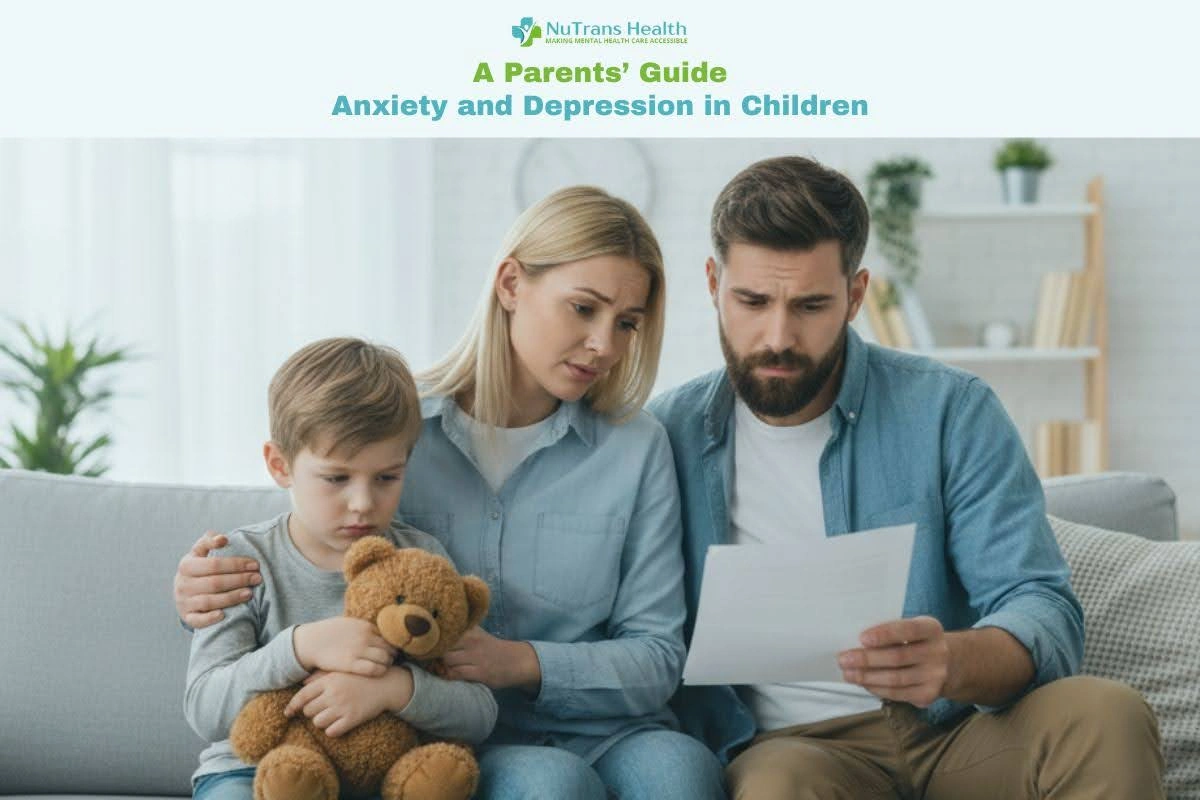
Children experience emotions just as deeply as adults, but they often lack the language or insight to explain what they are feeling. Emotional distress may show up in behavior, physical complaints, or changes in mood rather than clear verbal expressions of anxiety or sadness.
Mental health conditions in children are real, diagnosable, and treatable. Early support can reduce long-term impact and help children develop healthy coping skills that last into adulthood.
What Is Anxiety in Children?
Anxiety in children involves excessive fear, worry, or nervousness that does not go away and interferes with daily life. While fear is a normal part of development, anxiety becomes a concern when it is intense, persistent, or disproportionate to the situation.
Common Anxiety Disorders in Children
- Generalized Anxiety Disorder (GAD): Constant worry about school, health, family, or the future
- Separation Anxiety Disorder:Extreme distress when separated from caregivers
- Social Anxiety Disorder: Fear of social situations or being judged
- Specific Phobias: Intense fear of particular objects or situations
- Panic Disorder: Sudden episodes of intense fear with physical symptoms
Anxiety can affect children of all ages, including very young children.
What Is Depression in Children?
Depression in children is more than feeling sad or having a bad day. It involves persistent low mood or loss of interest in activities, often accompanied by emotional, behavioral, and physical changes.
Children with depression may not always appear sad. Instead, they may seem irritable, withdrawn, or unmotivated. Depression can affect how children think, feel, and function at home and school.
Signs and Symptoms of Anxiety and Depression in Children
Anxiety and depression can look different in children than in adults. Symptoms may be emotional, behavioral, physical, or cognitive, and they often overlap. Paying attention to patterns and changes over time by observing the following signs:
Emotional Signs
- Excessive worry, fear, or nervousness
- Persistent sadness or low mood
- Irritability, anger, or frequent emotional outbursts
- Feelings of hopelessness or low self-worth
Behavioral Signs
- Avoiding school, activities, or social situations
- Clinginess or difficulty separating from caregivers
- Withdrawal from friends or family
- Declining school performance
- Increased reassurance-seeking or perfectionism
Physical Symptoms
- Frequent stomachaches or headaches without a clear medical cause
- Fatigue or low energy
- Changes in sleep (trouble falling asleep, nightmares)
- Changes in appetite or weight
Cognitive Signs
- Difficulty concentrating or making decisions
- Negative self-talk or excessive guilt
- Rumination about worries or past mistakes
When Symptoms Are More Concerning
Consider seeking professional help if symptoms:
- Last more than two weeks
- Interfere with school, relationships, or daily routines
- Are worsening over time
- Include talk of self-harm or death
Early recognition and support can prevent symptoms from becoming more severe and help children build healthy coping skills.
Causes and Risk Factors of Anxiety and Depression in Children
Anxiety and depression in children usually develop from a combination of factors, rather than a single cause. The following factors help parents respond with empathy and avoid placing blame on themselves or their child.
Biological Factors
Some children are more vulnerable due to biology or genetics. These factors may include:
- Family history of anxiety, depression, or other mental health conditions
- Differences in brain chemistry or emotional regulation
- Certain medical conditions or neurodevelopmental differences
A genetic risk does not guarantee a child will develop anxiety or depression, but it can increase susceptibility.
Psychological Factors
A child’s temperament and emotional style can also play a role.
Common psychological risk factors include:
- High sensitivity or emotional reactivity
- Perfectionism or fear of making mistakes
- Low self-esteem or negative self-image
- Difficulty coping with stress or change
Children who internalize stress may be more likely to develop anxiety or depression.
Environmental and Social Factors
Life experiences and surroundings strongly influence a child’s mental health.
These may include:
- Academic pressure or school-related stress
- Bullying or peer difficulties
- Family conflict, separation, or parental stress
- Major life changes such as moving, illness, or loss
- Trauma or exposure to frightening events
- Excessive social media use or comparison
Stressful environments do not cause anxiety or depression on their own, but they can contribute to the development or worsening of symptoms..
How Parents Can Support a Child With Anxiety or Depression
Parents play a critical role in a child’s emotional health. While you cannot remove all stress or “fix” anxiety or depression on your own, your support, understanding, and consistency can make a powerful difference in your child’s recovery and resilience. You can support your child's mental health in the following ways:
Create a Safe and Supportive Home Environment
Children are more likely to open up when they feel emotionally safe.
You can help by:
- Listening calmly and attentively without interrupting
- Validating feelings rather than dismissing or minimizing them
- Avoiding statements like “just calm down” or “it’s not a big deal”
- Letting your child know their feelings are real and important
Feeling understood helps reduce shame and fear.
Encourage Open Communication
Some children struggle to put emotions into words. Gentle, ongoing conversations are more effective than intense questioning.
Helpful approaches include:
- Asking open-ended questions (“How did today feel for you?”)
- Checking in regularly, not only during crises
- Allowing silence and giving your child time to respond
- Reassuring them that it’s okay to talk about hard feelings
Your willingness to listen builds trust over time.
Maintain Structure and Predictability
Anxiety and depression often improve when children feel a sense of stability.
Support this by:
- Keeping regular routines for sleep, meals, and school
- Setting clear and consistent expectations
- Preparing children in advance for changes when possible
- Providing calm reassurance during transitions
Predictability helps children feel safer and more in control.
Address Bullying and Peer Stress Early
Bullying or peer conflict can worsen symptoms and should always be taken seriously.
Parents should:
- Listen carefully and validate concerns
- Work with school staff to ensure safety
- Teach assertive communication skills
- Reinforce that bullying is not the child’s fault
A sense of safety is essential for emotional healing.
Support Healthy Daily Habits
Physical health and mental health are closely connected.
Encourage:
- Consistent sleep schedules
- Balanced nutrition
- Regular physical activity
- Time outdoors and breaks from screens
Small, manageable changes are often more effective than major overhauls.
Avoid Overprotection or Pressure
It is natural to want to protect your child from distress, but avoiding all stress can reinforce anxiety.
Try to:
- Encourage gradual exposure to feared situations
- Praise effort rather than perfection
- Avoid excessive reassurance that may reinforce worry
- Allow your child to build coping skills at their own pace
Balancing support with independence helps foster confidence.
Model Healthy Coping Skills
Children learn how to manage emotions by watching adults.
You can model:
- Calm responses to stress
- Healthy ways to express emotions
- Problem-solving and self-compassion
- Seeking help when needed
Your behavior sends a powerful message about how to handle challenges.
Collaborate With Professionals When Needed
If your child is in therapy or receiving other treatment:
- Stay involved and informed
- Communicate openly with providers
- Follow recommended strategies at home
- Ask questions and advocate for your child’s needs
Parent involvement improves treatment outcomes.
Be Patient With the Process
Progress is rarely linear. Children may have good days and difficult days.
Remember:
- Improvement takes time
- Setbacks are part of healing
- Consistency matters more than perfection
Your steady presence and patience are among the most important supports your child has.
Professional Treatment Options for Children
When symptoms begin to interfere with a child’s daily life, professional support can provide structure, guidance, and tools that help children and families move forward. Below are the most common and effective treatment options used to support children with anxiety and depression.
1. Therapy for Children
Therapy is often the first line of treatment and can be highly effective for both anxiety and depression.
Cognitive Behavioral Therapy (CBT)
CBT helps children identify unhelpful thoughts, understand how these thoughts affect their feelings and behaviour, and develop healthier coping strategies. It is one of the most researched and effective treatments for childhood anxiety and depression.
To better understand how therapy helps children build coping skills, read our article on Cognitive Behavioral Therapy for Anxiety and Depression.
Play Therapy
Younger children may struggle to express emotions verbally. Play therapy enables children to express their feelings through play, art, and storytelling in a developmentally appropriate manner.
Family Therapy
Family therapy focuses on improving communication, reducing stress within the home, and helping parents learn strategies to support their child. It can be especially helpful when family dynamics contribute to a child’s distress.
2. Medication
In some cases, medication may be recommended, particularly when symptoms are moderate to severe or do not improve with therapy alone. Medication decisions are made carefully, considering the child’s age, symptoms, medical history, and response to therapy.
Medication is most effective when:
- Prescribed and monitored by a qualified provider
- Used alongside therapy
- Regularly reviewed for effectiveness and side effects
Parents should feel comfortable asking questions and discussing concerns before starting medication.
3. School-Based Support
Schools can play an important role in a child’s treatment and recovery.
Support may include:
- School counseling services
- Academic accommodations
- Adjusted workloads or testing support
- Collaboration between parents, teachers, and counselors
Open communication with the school helps ensure consistent support across environments.
4. Coordinated Care
The most effective treatment often involves coordination among:
- Parents and caregivers
- Mental health professionals
- Pediatricians or primary care providers
- School staff
A team-based approach ensures that the child’s emotional, academic, and social needs are addressed together.
For more guidance on noticing early warning signs and offering support, read our article Recognizing Depression in Friends and Family: Early Signs & Support.
Schedule Expert Child & Adolescent Psychiatric Care in Charlotte, NC
Anxiety and depression in children are real, treatable conditions, and early support can make a lasting difference in a child’s emotional development and quality of life.
Nutrans Health offers compassionate, evidence-based psychiatric care designed to support children and families through every stage of treatment. Our experienced psychiatrist in Charlotte, NC, works collaboratively with parents to create individualized care plans that prioritize safety, understanding, and long-term well-being.
Schedule an online appointment today and take a confident step toward supportive, expert mental health care for your child.
Related Blogs
Mental Health Services in Raleigh NC and How AI Improves It
Mental Health Services in Raleigh NC and How AI...
Read MoreMental Health Counseling and Workplace Stress in Raleigh
Mental Health Counseling and Workplace Stress in Raleigh The...
Read MoreTeletherapy vs. In-Person Counseling: Which One is Right for You?
Teletherapy vs. In-Person Counseling: Which One is Right for...
Read More