Supporting a new parent does not require big gestures or expert advice. Simple actions such as bringing a meal, folding laundry, or holding the baby while they shower can make an immediate difference during an exhausting and emotional time. Even small tasks like running errands, walking the dog, or taking out the trash can ease daily pressure and give a new parent more space to rest, recover, and bond with their baby.
This guide shares practical, respectful ways to help a new parent without overstepping boundaries so your support feels useful, welcome, and genuinely supportive.
Table of ContentsUnderstanding the New Parent Experience
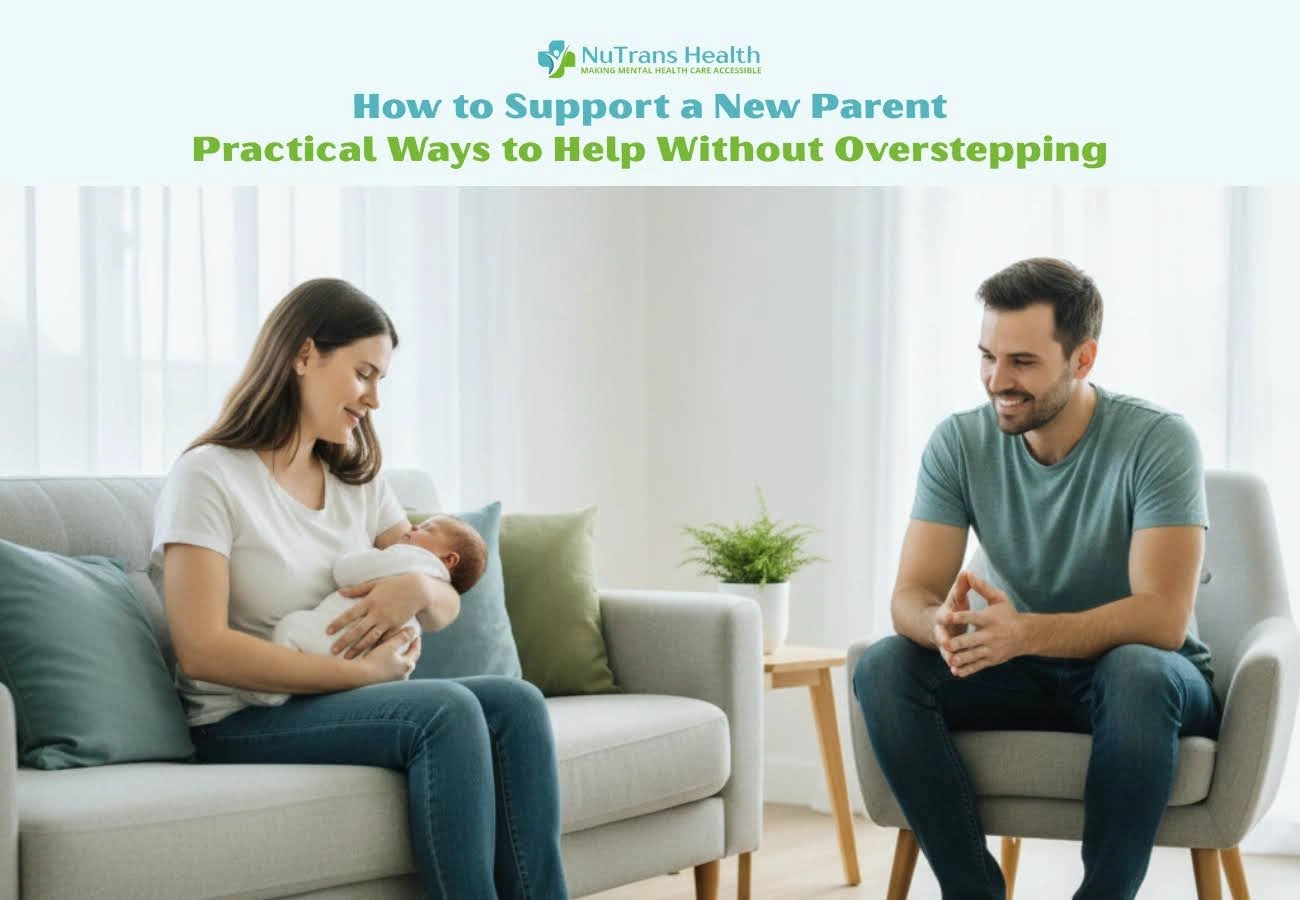
Parents in early parenthood are often functioning on very little sleep while their bodies and minds are still recovering. For many, especially postpartum parents, physical healing is happening alongside round-the-clock newborn care. This level of exhaustion can affect mood, focus, and even simple decision-making.
Emotional changes are also common. Anxiety, baby blues, and postpartum depression can appear alongside joy and excitement, often shifting throughout the day. At the same time, new parents are adjusting to a major identity change as they learn new responsibilities and redefine their sense of self.
Support can feel overwhelming when it removes a parent’s sense of control. Unasked-for help, advice, or comparisons can add to mental fatigue and undermine confidence. Parenting choices are shaped by personal values, culture, and circumstances, and what feels supportive to one family may feel intrusive to another. Respecting these differences is crucial to providing help that truly benefits the individual.
Thoughtful Ways to Support a New Parent Without Overstepping
Practical or Physical Support
Every day responsibilities continue even when energy is depleted. Practical support helps stabilize daily life and reduces overwhelm. Such as:
- Prepare home-cooked meals, organize meal deliveries, or stock the fridge with easy-to-reheat food that fits the family’s dietary needs
- Take care of household chores such as laundry, dishes, bottle washing, light cleaning, or resetting common areas
- Handle errands, including grocery runs, pharmacy pickups, or returning packages, so the parent does not need to leave the house
- Support pet care by walking dogs, feeding pets, or taking them to appointments to maintain normal routines
- Hold or care for the baby so the parent can shower, nap, rest their body, or spend a few minutes alone without interruption
Quiet, dependable help that blends into daily life often feels the most supportive.
Emotional Support
Emotional reassurance helps new moms feel grounded, capable, and less isolated during a period of intense adjustment. For example:
- Listen attentively without interrupting, problem-solving, or redirecting the conversation toward your own experiences
- Validate emotions by acknowledging how difficult or overwhelming things can feel without minimizing or dismissing them
- Avoid unsolicited advice, comparisons, or “helpful” corrections that may undermine confidence
- Ask permission before offering suggestions, allowing the parent to decide what support feels helpful
- Reassure the parent by recognizing effort, resilience, and care rather than focusing on outcomes or perfection
- Feeling emotionally supported can significantly reduce anxiety and self-doubt.
Visiting With Intention
Visits should support recovery and rest, not create additional demands on time or energy. Some helpful ways include:
- Ask before visiting and remain flexible with timing, understanding that schedules change frequently
- Keep visits short and allow the parent to extend them if they choose
- Avoid expectations around conversation, hosting, or social interaction
- Follow the parents’ cues regarding baby care, routines, and household norms
- Leave proactively when signs of fatigue, overstimulation, or stress appear
A considerate visit often ends earlier than expected and leaves the parent feeling cared for.
Thoughtful Gifts or Helpful Resources
The most meaningful gifts support new moms and dads beyond the moment they are received. Rather than adding clutter, thoughtful choices offer comfort, convenience, or reassurance during daily life. Examples include:
- Digital gift cards for food, groceries, or essential services that allow parents to choose what they need most
- Subscription-based support, such as diaper delivery, meal services, or wellness resources that provide ongoing relief
- Practical care-focused items for the parent, such as recovery supplies, comfortable clothing, or self-care essentials
- Carefully selected baby items that align with the family’s preferences, routines, or space limitations
- Optional books, guides, or trusted resources shared without pressure or expectation to use them
Thoughtful support prioritizes relevance and flexibility over presentation or quantity.
Supporting From Afar
Distance does not prevent meaningful and impactful support. Even from afar, there are simple, thoughtful ways to stay present and helpful. Alternative options:
- Send thoughtful messages that express care without requiring a response
- Arrange meal deliveries or care packages timed for when support typically slows
- Schedule help for later weeks to ease longer-term adjustment
- Check in during quieter moments rather than only during the initial newborn phase
- Remember important dates, milestones, or difficult transitions
Being remembered can be as comforting as being present.
Encouraging Personal Time and Self-Care
Rest and personal time are essential to recovery, mental health, and sustainable caregiving. This support can take many simple but meaningful forms, such as:
- Offer to watch the baby or manage household tasks so the parent can rest without worry
- Encourage short, realistic breaks that fit into the parent’s energy level
- Normalize rest, showers, fresh air, and quiet time as necessary forms of care
- Reduce guilt around self-care by reinforcing its role in recovery and well-being
- Support both physical healing and emotional replenishment
Even brief moments of rest can improve overall resilience.
Celebrating Small Wins
Small victories deserve recognition during early parenthood. Thoughtful acknowledgement can strengthen confidence and emotional resilience. This can include:
- Noticing everyday accomplishments that may feel minor but require real effort, such as getting rest when possible, leaving the house, or keeping up with basic routines
- Offering specific and sincere praise that reflects patience, adaptability, and persistence rather than focusing only on outcomes
- Recognizing progress in self-care, boundary-setting, or the ability to ask for and accept help
- Acknowledging emotional strength, flexibility, and perseverance alongside practical achievements
- Reinforcing that small steps and quiet progress are meaningful and valid parts of this phase
Recognition builds confidence and motivation.
Modern and Tech-Based Support Options
Technology can offer accessible, flexible support when in-person help is limited. Such as:
- Suggest mental health apps that support mood tracking, reflection, or stress management
- Share virtual parenting communities that provide connection and reassurance
- Encourage digital tools that offer guidance during late-night or isolated moments
- Use AI technology to complement emotional and practical support from real people
- Help the parent choose tools that align with their comfort and preferences
Digital support works best as an addition, not a replacement.
Long-Term Support
Parenting challenges evolve, and support should evolve with them. Long-term support includes:
- Continue checking in weeks and months after the newborn phase
- Offer help during transitions such as returning to work or changing routines
- Stay present through growth spurts, regressions, or emotional challenges
- Remember milestones as well as difficult periods
- Reinforce that ongoing support is available and consistent
Long-term care builds trust and reduces isolation.
Finding the right support matters, and this guide on how to find the right therapist in Raleigh, NC, can help new parents choose care that truly fits their needs.
Supporting Different Types of New Parents
Every parenting journey comes with its own challenges, expectations, and emotional realities. Support is most effective when it is responsive to each family’s specific situation rather than based on assumptions. This includes being especially thoughtful when supporting:
Single parents, who may be carrying the full physical, emotional, and mental load of caregiving without a built-in partner. Consistent help, reliable check-ins, and support that reduces decision-making and isolation can be especially meaningful. Flexibility and dependability often matter more than one-time gestures.
Parents of multiples, who face increased physical demands, disrupted sleep, and complex schedules, often benefit from logistical support such as meals, household help, childcare coverage, or assistance with older siblings. Supporting routines for older children, such as school drop-offs or playtime, can also ease transitions and help the household function more smoothly.
Adoptive or foster parents, who may be navigating new routines while also managing emotional adjustment, bonding, or legal and administrative processes. Support that respects their family’s story, avoids assumptions about their experience, and acknowledges both joy and complexity can feel especially validating.
Parents experiencing postpartum anxiety or depression may appear outwardly capable while struggling internally. Gentle emotional support, patience, and consistent presence can help reduce isolation. Encouraging professional help when appropriate, without judgment or pressure, can be an important part of support.
Learn more about postpartum depression treatment in Raleigh and how Nutrans Health supports new parents during this critical stage of recovery.
Common Mistakes to Avoid When Supporting a New Parent
Support is most effective when it centers on the new mom's needs rather than the helper’s intentions. Even well-meaning actions can feel stressful or dismissive when they overlook boundaries, timing, or emotional realities. Below are the most frequent support mistakes new parents experience.
Giving unsolicited parenting advice can increase self-doubt and overwhelm. New mothers are often already absorbing large amounts of information, and advice offered without being asked can feel like criticism rather than support.
Ignoring stated boundaries, such as preferences around visits, routines, or privacy. Disregarding these boundaries can make parents feel pressured, disrespected, or forced to manage others’ expectations during an already demanding time.
Making support about your own experience, which can unintentionally shift focus away from the parent. While sharing personal stories may come from a place of connection, it can feel minimizing when the parent needs to be heard, not compared.
Expecting gratitude or recognition, which places emotional responsibility on the parent. Support should not come with an expectation of thanks, updates, or acknowledgement, especially when parents are conserving energy for care and recovery.
Offering vague or open-ended help, such as “let me know if you need anything,” can place the burden of planning and decision-making back on the parent rather than reducing it.
Overstaying visits or demanding interaction can drain limited energy and disrupt rest, even when the intention is to help or spend time together.
Supporting New Parents With Compassionate Care at Nutrans Health
Supporting a new parent is about offering care that reduces stress, respects boundaries, and acknowledges how demanding this stage of life can be. Even with strong personal support, many new parents benefit from professional care to navigate anxiety, emotional changes, relationship shifts, or postpartum mental health challenges. Seeking help is a proactive step toward healing and long-term well-being.
Nutrans Health provides compassionate mental health counseling tailored to the needs of new parents. Our professional mental health therapists, including experiencedtherapists in Raleigh, NC , offer in-person services in Raleigh and online therapy in Charlotte and across New Jersey.
Take the next step toward a calmer, more resilient life by connecting with Expert Stress Management and Therapists in New Jersey today.
With flexible, accessible care, Nutrans Health offers a safe, supportive space for new parents to talk openly, heal, and regain balance during early parenthood.
Related Blogs
Mental Health Services in Raleigh NC and How AI Improves It
Mental Health Services in Raleigh NC and How AI...
Read MoreMental Health Counseling and Workplace Stress in Raleigh
Mental Health Counseling and Workplace Stress in Raleigh The...
Read MoreTeletherapy vs. In-Person Counseling: Which One is Right for You?
Teletherapy vs. In-Person Counseling: Which One is Right for...
Read More