Mental health medications are necessary when symptoms are severe, long-lasting, or dangerous. Conditions such as major depression, bipolar disorder, schizophrenia, and severe anxiety are not simply emotional struggles; they are medical illnesses that often require medication. Research consistently demonstrates that appropriate use of mental health medications can reduce symptom severity, prevent relapse, and lower hospitalization and suicide rates, particularly when combined with psychotherapy.
Despite this evidence, mental health medications remain widely misunderstood and stigmatized. Many people delay or avoid treatment due to fear of side effects, dependency, or social judgment. As a result, a large proportion of individuals who could benefit from medication never receive it.
This blog outlines when mental health medications are needed, who benefits most, their side effects, and how they complement therapy and lifestyle care.
Table of Contents- Understanding Mental Health and Mental Illness
- The Role of Medication in Mental Health Care
- When Are Medicines Necessary for Mental Health?
- Common Types of Mental Health Medications
- Side Effects of Mental Health Medications
- Common Concerns About Mental Health Medication
- Who Decides If Medication Is Necessary?
- Start Your Mental Health Care With Nutrans Health Therapists in Raleigh
Understanding Mental Health and Mental Illness
Mental health refers to emotional, psychological, and social well-being. It affects how individuals think, feel, make decisions, handle stress, and relate to others. Everyone experiences emotional ups and downs, stress, sadness, or anxiety at different points in life. These experiences are normal and often resolve with time, rest, support, or lifestyle changes.
Mental illness, however, involves persistent patterns of thoughts, emotions, or behaviors that significantly interfere with daily functioning, relationships, or quality of life. Conditions such as depression, anxiety disorders, bipolar disorder, schizophrenia, and attention-deficit/hyperactivity disorder (ADHD) are not simply “phases” or weaknesses; they are complex medical conditions influenced by biology, psychology, and environment.
Medication is not always the first or only solution, but in certain situations, it becomes a crucial part of effective treatment.
The Role of Medication in Mental Health Care
Mental health medications work primarily by regulating brain chemistry, including neurotransmitters such as serotonin, dopamine, norepinephrine, and gamma-aminobutyric acid (GABA). These chemicals play key roles in mood regulation, attention, motivation, sleep, and emotional balance.
Medication aims to:
- Reduce the intensity of symptoms
- Stabilize mood or thought patterns
- Improve daily functioning
- Prevent relapse or recurrence
- Support engagement in therapy and daily life
It is important to note that medication does not “change who you are” or eliminate emotions. Instead, it helps bring the brain closer to a functional balance so healing and growth can occur.
When Are Medicines Necessary for Mental Health?
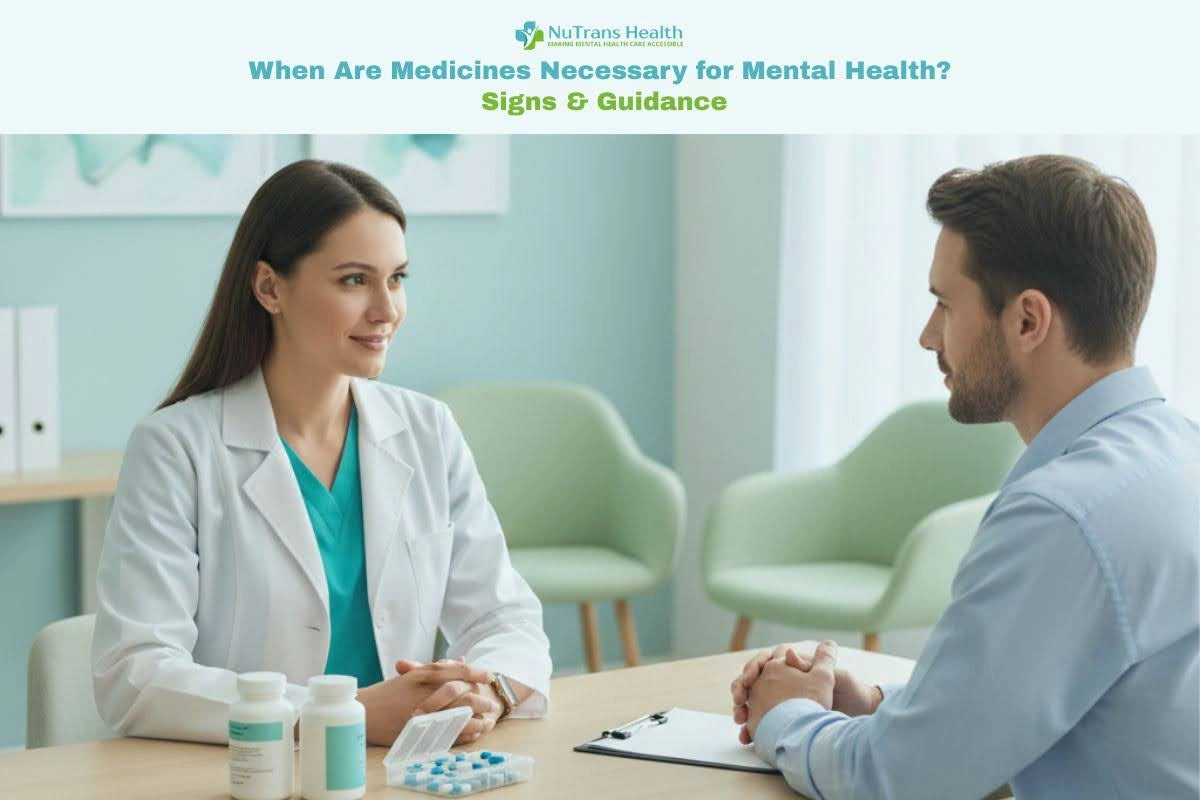
Mental health medications are not prescribed for everyday stress or temporary emotional discomfort. They become necessary when symptoms are severe, persistent, or interfere with safety and daily functioning. The decision to use medication is based on clinical need, not personal weakness or failure to cope. Medications become necessary in the following conditions:
1. When Symptoms Are Severe or Disabling
Medication is often necessary when mental health symptoms are severe enough to disrupt daily life. This may include:
- Inability to get out of bed or perform basic tasks
- Persistent panic attacks
- Severe mood swings
- Disorganized thinking or hallucinations
- Extreme emotional distress
For example, major depressive disorder may cause profound fatigue, hopelessness, or suicidal thoughts that cannot be managed through lifestyle changes alone. In such cases, medication can provide symptom relief that allows the person to function and begin recovery.
2. When Symptoms Persist Over Time
Short-term emotional struggles are common, but long-lasting symptoms may indicate a clinical condition. If symptoms continue for weeks or months despite efforts such as rest, exercise, or counseling, medication may be appropriate.
Chronic anxiety, long-standing depression, or recurring mood episodes often reflect underlying neurochemical imbalances that respond well to medication. Persistent symptoms can also increase the risk of complications, including physical health problems and substance use.
3. When There Is a Risk of Harm
One of the clearest indications for medication is risk to self or others. This includes:
- Suicidal thoughts or behaviors
- Self-harm
- Aggression linked to psychiatric symptoms
- Psychosis causing impaired judgment
In these situations, medication may be lifesaving. Stabilizing symptoms quickly can reduce immediate danger and provide time for longer-term therapeutic interventions.
4. When Therapy Alone Is Not Enough
Psychotherapy is highly effective for many mental health conditions, but it does not work equally for everyone. Some individuals may engage in therapy consistently yet continue to experience overwhelming symptoms.
Medication can:
- Enhance the effectiveness of therapy
- Reduce symptom intensity so therapy becomes manageable
- Address biological factors that therapy alone cannot
For example, someone with severe anxiety may struggle to concentrate during therapy sessions. Medication may lower anxiety levels enough to allow meaningful participation.
5. For Certain Diagnosed Conditions
Some mental health conditions strongly benefit from or require medication as a central part of treatment. These include:
- Schizophrenia and other psychotic disorders: Antipsychotic medications are essential to manage hallucinations, delusions, and disorganized thinking.
- Bipolar disorder: Mood stabilizers and sometimes antipsychotics are critical to prevent manic and depressive episodes.
- Severe major depression: Antidepressants may be necessary, especially when symptoms are recurrent or resistant.
- ADHD: Stimulant or non-stimulant medications can significantly improve focus, impulse control, and daily functioning.
For these conditions, medication is often not optional but a cornerstone of effective care.
6. When There Is a Biological or Genetic Component
Mental illnesses often run in families, suggesting a genetic or biological vulnerability. Individuals with a strong family history of certain conditions may be more likely to benefit from medication. Brain imaging, sleep patterns, and response to previous treatments can also indicate biological factors that make medication a helpful option.
7. When Mental Health Conditions Co-Occur With Other Disorders
Medication is often necessary when mental health conditions exist alongside substance use disorders or other medical conditions, as co-occurring disorders can intensify symptoms and complicate treatment.
This may include:
- Depression or anxiety occurring with alcohol or drug misuse
- Mental illness alongside chronic medical conditions such as diabetes, cardiovascular disease, chronic pain, or neurological disorders
- Psychiatric symptoms that worsen during substance withdrawal or medical illness
When mental illness and substance use occur together, symptoms are often more severe and harder to manage through therapy alone. Medication can help stabilize mood, reduce cravings, manage withdrawal symptoms, and improve emotional regulation, allowing individuals to engage more effectively in treatment.
Common Types of Mental Health Medications
Mental health medications are grouped based on the symptoms they target and how they work in the brain. The choice of medication depends on the diagnosis, symptom severity, individual response, and overall health. The most commonly prescribed categories include the following:
Antidepressants
Used for depression, anxiety disorders, PTSD, and some chronic pain conditions. They help regulate mood and emotional responses.
Common examples include:
- Selective serotonin reuptake inhibitors (SSRIs) such as fluoxetine, sertraline, and escitalopram
- Serotonin–norepinephrine reuptake inhibitors (SNRIs) such as venlafaxine and duloxetine
- Atypical antidepressants such as bupropion and mirtazapine
Anti-Anxiety Medications
Used to reduce excessive fear, panic, and tension. Some are short-term solutions, while others are used long-term.
Common examples include:
- Benzodiazepines such as lorazepam and clonazepam (typically for short-term use)
- Buspirone for generalized anxiety
- Certain antidepressants prescribed for anxiety disorders
Mood Stabilizers
Primarily used in bipolar disorder to prevent extreme mood shifts.
Common examples include:
- Lithium
- Valproate
- Carbamazepine
- Lamotrigine
Antipsychotics
Used to manage psychosis, severe mood disorders, and certain behavioral conditions.
Common examples include:
- Atypical antipsychotics such as risperidone, olanzapine, quetiapine, and aripiprazole
- Typical antipsychotics such as haloperidol
Stimulants and Non-Stimulants
Commonly prescribed for ADHD to improve focus, attention, and impulse control.
Common examples include:
- Stimulants such as methylphenidate and amphetamine-based medications
- Non-stimulants such as atomoxetine and guanfacine
Each medication type has specific uses, benefits, and risks, and must be carefully matched to the individual.
Not sure whether online or face-to-face care is the best fit for you? Explore our guide on Teletherapy vs. In-Person Counseling: Which One is Right for You? to make an informed decision.
Side Effects of Mental Health Medications
Mental health medications can cause side effects, though many are mild, temporary, and manageable. Effects vary by medication type, dose, and individual response.
Common side effects include:
- Nausea or headache
- Fatigue or drowsiness
- Dizziness
- Dry mouth
- Sleep or appetite changes
- Weight changes
Other possible effects:
- Emotional blunting or reduced concentration
- Sexual side effects, particularly with some antidepressants
- Metabolic changes such as weight gain or blood sugar changes
Serious but rare side effects may include mood worsening, suicidal thoughts early in
treatment, heart rhythm changes, or movement disorders.
Stopping medication suddenly
can
cause withdrawal symptoms; therefore, medications should always be tapered under medical
supervision.
Common Concerns About Mental Health Medication
- “Will I Become Dependent?” Most psychiatric medications are not addictive when taken as prescribed. Dependence concerns mainly apply to certain short-term anxiety medications, which are carefully monitored.
- “Will Medication Change My Personality?” Medication aims to reduce symptoms, not erase personality. Many people report feeling more like themselves once symptoms are under control.
- “What About Side Effects?” Side effects are possible, especially at the beginning, but many are mild and temporary. Healthcare providers carefully weigh benefits against risks and adjust treatment as needed.
- “Is Taking Medication a Sign of Weakness?” Needing medication is not a personal failure. Mental illnesses are medical conditions, and using appropriate treatment is an act of self-care and responsibility.
Who Decides If Medication Is Necessary?
The decision to start medication should always be made collaboratively between the individual and a qualified mental health professional, such as a psychiatrist, physician, or psychiatric nurse practitioner.
This decision is based on:
- Symptom severity and duration
- Diagnosis
- Medical history
- Personal preferences
- Response to previous treatments
Regular follow-ups are essential to assess effectiveness and make adjustments.
Looking for guidance on choosing the right provider? Read How To Find the Right Therapist in Raleigh to learn what to look for and how to find the best fit for your needs.
Start Your Mental Health Care With Nutrans Health Therapists in Raleigh
Mental health medications can be essential when symptoms are severe, persistent, or interfere with daily functioning and safety. When combined with therapy and personalized treatment planning, medication can support stability, recovery, and long-term well-being. The most effective care is individualized and guided by experienced mental health professionals.
Nutrans Health connects you with an experienced psychiatrist in Charlotte, NC, for comprehensive psychiatric intake and personalized medication management.
In-person care is available in Raleigh, NC, with convenient online appointments for individuals in Charlotte and Freehold.
Schedule your appointment today and begin care designed around you.
Related Blogs
Mental Health Services in Raleigh NC and How AI Improves It
Mental Health Services in Raleigh NC and How AI...
Read MoreMental Health Counseling and Workplace Stress in Raleigh
Mental Health Counseling and Workplace Stress in Raleigh The...
Read MoreTeletherapy vs. In-Person Counseling: Which One is Right for You?
Teletherapy vs. In-Person Counseling: Which One is Right for...
Read More