Clinically reviewed by Natashia Shelley, MA, LCMHC
Published: July 2026 | Last updated: July 2026 | NuTrans Health — Raleigh NC | Charlotte NC | Freehold NJ | Telehealth
Bed rotting means spending long periods in bed while scrolling, sleeping, watching videos, avoiding tasks, or feeling unable to face the day. Sometimes, it is simply rest after stress, poor sleep, illness, grief, or emotional exhaustion. But when it becomes repeated, hard to stop, or starts affecting meals, hygiene, work, school, relationships, or sleep, it may point to a deeper mental health concern.
The real question is not, “Am I lazy?” A better question is, “Is this rest helping me recover, or is it becoming a way to avoid life because I feel overwhelmed, anxious, numb, burned out, or depressed?” Bed rotting is not a formal diagnosis, but it can still be a sign that your body and mind are asking for support. When staying in bed shifts from intentional rest into a repeated pattern that disrupts daily life, it may be time to pay closer attention.
Table of Contents
- What Is Bed Rotting?
- Is Bed Rotting Self-Care or Avoidance?
- Normal Rest vs Bed Rotting vs Depression
- When Bed Rotting Becomes a Mental Health Concern
- Why Bed Rotting Happens
- The Doomscrolling and Bed Rotting Loop
- A Simple Bed Rotting Self-Check
- How Long Is Too Long to Stay in Bed?
- Rest That Helps vs Rest That Keeps You Stuck
- A Gentle 10-Minute Plan to Get Out of Bed
- How Loved Ones Can Help Without Shaming
- Final Thoughts
- FAQs About Bed Rotting
What Is Bed Rotting?
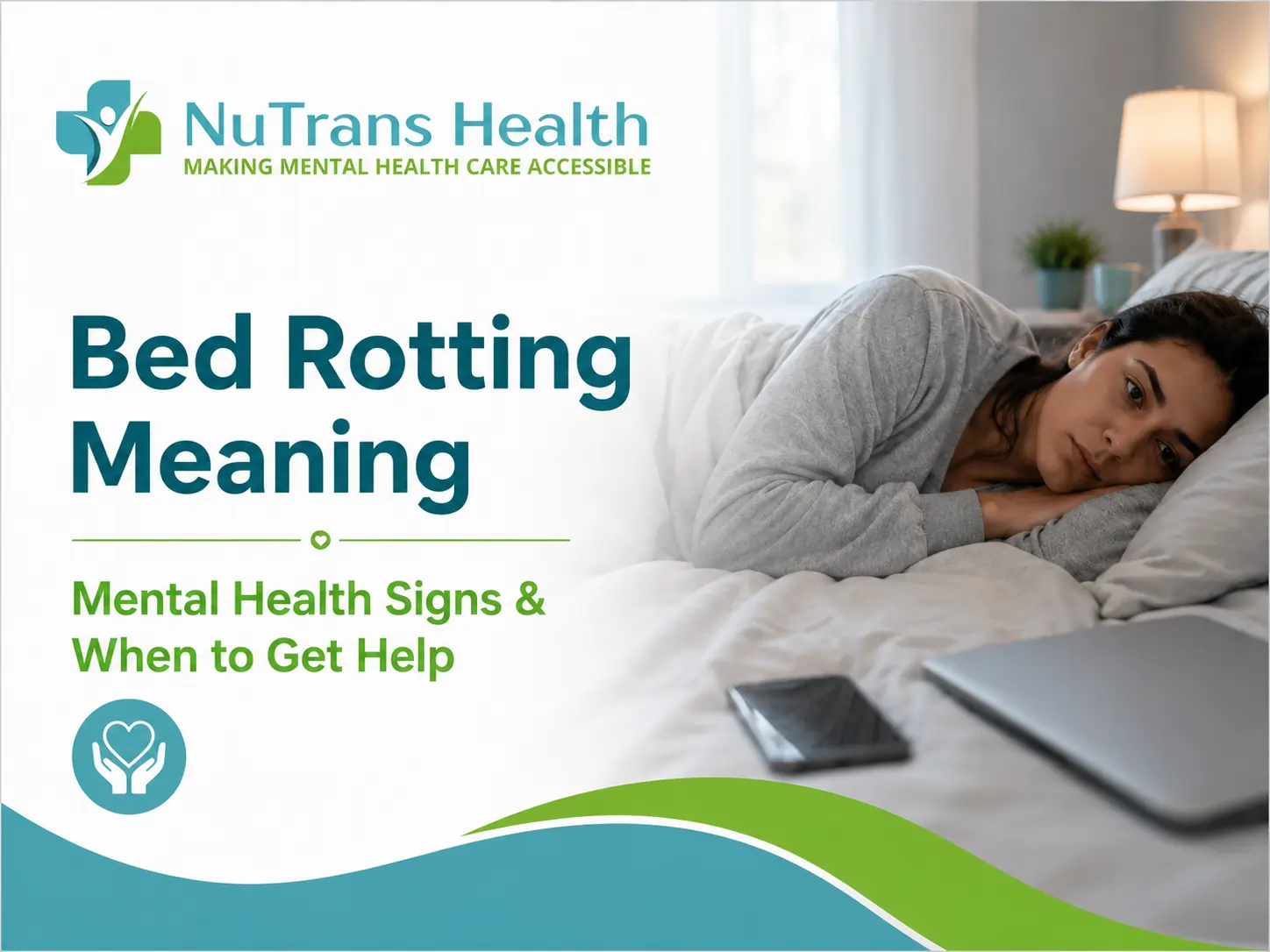
Bed rotting is a social media term for staying in bed for hours or most of the day, often with a phone, laptop, TV, snacks, or no clear plan. For some people, it starts as a break from pressure. For others, it turns into a cycle of scrolling, sleeping, guilt, avoidance, and feeling even more stuck.
It can look like:
- Staying in bed long after waking up
- Doomscrolling or binge-watching for hours
- Skipping meals or eating only from bed
- Ignoring texts, calls, work, school, or chores
- Canceling plans because getting up feels too hard
- Feeling guilty but still unable to move
Bed rotting becomes more concerning when it does not feel refreshing. Healthy rest usually helps you feel clearer, calmer, or more energized afterward. Bed rotting often leaves people feeling heavy, ashamed, disconnected, or more anxious.
Is Bed Rotting Self-Care or Avoidance?
Rest is not the problem. Your body needs rest, especially after stress, grief, burnout, poor sleep, illness, or emotional overload. The difference is whether the rest is helping you return to life or pulling you further away from it.
Bed rotting may be self-care when it is intentional, limited, and restorative. For example, taking a slow morning after a difficult week, watching a comfort show, eating something simple, and then easing back into the day can be healthy.
It may be avoidance when it becomes the main way you cope with difficult emotions, decisions, responsibilities, or relationships. Avoidance can feel relieving in the moment, but it often increases anxiety later because the tasks, messages, and emotions are still waiting.
Normal Rest vs Bed Rotting vs Depression
| Area | Normal Rest | Bed Rotting | Possible Depression Concern |
|---|---|---|---|
| Duration | A few hours or one slow day | Whole day or repeated days | Two weeks or more of symptoms |
| Feeling after | More refreshed | Guilty, numb, or still tired | Hopeless, empty, or disconnected |
| Control | Chosen intentionally | Hard to stop | Feels almost impossible |
| Daily routine | Mostly maintained | Delayed or avoided | Meals, hygiene, work, or school neglected |
| Mood | Improves after rest | Mixed relief and shame | Persistent sadness or loss of interest |
Depression can affect how a person sleeps, eats, works, thinks, and handles daily life. It may involve low mood, loss of interest, appetite changes, sleeping too little or too much, fatigue, hopelessness, and reduced ability to manage daily activities.
When Bed Rotting Becomes a Mental Health Concern
Bed rotting may be a warning sign when it starts affecting daily functioning. One slow day in bed is usually not the issue. The concern grows when the pattern repeats and you feel less able to care for yourself.
Pay attention if you notice:
- You stay in bed most of the day several times a week
- You skip meals, showers, medication, or basic hygiene
- You avoid work, school, family, or responsibilities
- You stop replying to people you care about
- You feel emotionally numb or disconnected
- You sleep too much but still feel exhausted
- You feel anxious, guilty, or ashamed after staying in bed
- You want to get up but feel like your body will not cooperate
- You feel hopeless or like life has no point
If thoughts of self-harm or not wanting to live appear, treat that as urgent. Reach out to emergency support, a trusted person, or a mental health professional right away.
Why Bed Rotting Happens
Bed rotting usually has a reason. It may not be obvious at first, but the body often shuts down when stress, emotions, or mental load become too much.
Depression
Depression can make basic tasks feel unusually heavy. Getting out of bed, brushing teeth, eating, answering messages, or starting work may feel overwhelming. A person may not be choosing bed rotting as much as feeling trapped by low energy, sadness, numbness, or loss of motivation.
This is why it is unhelpful to call bed rotting “laziness.” Laziness suggests someone simply does not want to make an effort. Depression often feels different: the person may want to function but cannot access the energy to begin.
Anxiety
Anxiety can also lead to bed rotting. When the mind is full of racing thoughts, worry, fear, or pressure, staying in bed can feel like the only safe place. The bed becomes a way to delay emails, social situations, schoolwork, bills, conflict, or decisions.
Anxiety disorders can interfere with work, school, relationships, and routine activities. They may involve excessive worry, restlessness, fatigue, difficulty concentrating, sleep problems, and avoidance of feared or overwhelming situations.
Burnout
Burnout can make the body feel like it has nothing left. It is commonly linked with unmanaged workplace stress, emotional exhaustion, mental distance from work, and reduced professional effectiveness.
When burnout is part of bed rotting, the person may not feel sad at first. They may feel blank, irritated, cynical, detached, or unable to care. Rest is needed, but bed rotting alone may not fix burnout if the same pressure, schedule, or emotional load keeps returning.
Trauma and the Freeze Response
Some people experience bed rotting as a shutdown response. When the nervous system feels overwhelmed, the body may move into fight, flight, or freeze. Freeze can feel like numbness, heaviness, stillness, or being unable to act even when there is no visible danger.
This can happen after trauma, chronic stress, emotional conflict, or feeling unsafe. For some people, bed becomes the place where the body feels protected. The goal is not to shame the response but to understand what the nervous system may be trying to do.
Executive Dysfunction
Executive dysfunction means the brain has trouble starting, organizing, prioritizing, or completing tasks. It can appear with ADHD, depression, anxiety, burnout, trauma, and sleep problems.
With executive dysfunction, someone may know exactly what they need to do but still feel unable to begin. Getting out of bed is not one task; it may feel like a chain of decisions: sit up, find clothes, shower, eat, reply to messages, leave the room, and face the day. That chain can feel too big when the brain is overloaded.
The Doomscrolling and Bed Rotting Loop
Phones can make bed rotting harder to escape. Scrolling gives quick distraction from stress, loneliness, sadness, or worry. But the relief is often temporary. After an hour or two, many people feel more anxious, behind, overstimulated, or guilty.
Sleep and mental health also affect each other. Poor sleep can affect energy, mood, focus, and decision-making, and sleep problems often occur alongside depression or anxiety symptoms.
If phone use is part of the pattern, this related guide on doomscrolling and mental health can help you understand how scrolling affects mood, sleep, and emotional regulation.
A Simple Bed Rotting Self-Check
Ask yourself these questions:
- Did I choose this rest, or did I feel pulled into it?
- Do I feel better after resting, or worse?
- Am I avoiding something specific?
- Have I eaten, had water, showered, or moved today?
- Have I been ignoring important messages or responsibilities?
- Is this happening once in a while or becoming a pattern?
- Am I feeling sad, anxious, numb, hopeless, or ashamed?
- Would support from someone else make this easier?
Your answers can show whether you need rest, structure, emotional support, or professional care.
How Long Is Too Long to Stay in Bed?
There is no exact number of hours that makes bed rotting unhealthy. Context matters. A person recovering from illness, grief, postpartum exhaustion, medication changes, or intense stress may need more rest than usual.
A helpful timeline:
- One day: May be normal recovery, especially after stress or poor sleep.
- Two to three days: Look for avoidance, burnout, anxiety, or emotional shutdown.
- One week: More concerning if daily functioning is affected.
- Two weeks or more: Consider speaking with a mental health professional, especially if low mood, loss of interest, hopelessness, appetite changes, sleep disruption, or fatigue are present.
The key is not just time in bed. The key is whether life is shrinking around the bed.
Rest That Helps vs Rest That Keeps You Stuck
Helpful rest usually has some care built into it. It gives your body a pause without disconnecting you from basic needs.
Helpful rest may include:
- Drinking water
- Eating something simple
- Opening curtains
- Taking a shower
- Setting a loose time limit
- Putting the phone down for part of the rest
- Stretching or walking for a few minutes
- Texting one safe person
- Letting yourself rest without shame
Rest that keeps you stuck often includes:
- Endless scrolling
- Staying in a dark room all day
- Skipping food or water
- Avoiding every message
- Sleeping through responsibilities repeatedly
- Calling yourself lazy or broken
- Waiting to feel “fully ready” before moving
You do not need to fix the whole day at once. The goal is to interrupt the stuck feeling gently.
A Gentle 10-Minute Plan to Get Out of Bed
When bed rotting feels hard to stop, start smaller than you think you should. The first step should feel almost too easy.
Try this:
- Sit up in bed.
- Put both feet on the floor.
- Drink water.
- Open the curtains or turn on a light.
- Take three slow breaths.
- Wash your face or brush your teeth.
- Eat one simple thing.
- Send one text: “I’m having a hard day, but I’m trying.”
- Stand for two minutes.
- Choose one tiny task, not the whole to-do list.
This plan is not about productivity. It is about helping your nervous system notice that movement is possible.
How Loved Ones Can Help Without Shaming
If someone you care about is bed rotting, avoid harsh comments. Shame usually makes shutdown worse.
Do not say:
- “You’re just lazy.”
- “Just get up.”
- “Everyone is tired.”
- “You’re wasting your life.”
Try saying:
- “Do you want company or space?”
- “Can I bring you water or food?”
- “Would it help if we opened the curtains?”
- “Do you want to take one small step together?”
- “I’m not judging you. I’m here.”
Support works best when it is calm, specific, and practical.
Final Thoughts
Bed rotting does not automatically mean something is wrong with you. Sometimes, it is your body asking for rest. But when it becomes repeated, isolating, hard to stop, or tied to depression, anxiety, burnout, trauma, or executive dysfunction, it deserves attention.
Start with compassion, not criticism. Drink water. Let light in. Move one small part of your body. Tell someone safe. And if the pattern keeps returning, reach out for support.
At NuTrans Health, mental health care is designed to help people understand what they are experiencing and take manageable steps toward feeling better. Support is not only for crisis moments. It is also for the quiet moments when getting out of bed starts to feel too hard.
FAQs About Bed Rotting
Is bed rotting bad for mental health?
Not always. One restful day in bed can be healthy. It becomes concerning when it is frequent, difficult to stop, or begins affecting hygiene, meals, relationships, sleep, school, work, or mood.
Is bed rotting a sign of depression?
It can be. Bed rotting may appear with depression when it includes low energy, loss of interest, oversleeping, hopelessness, appetite changes, isolation, or difficulty handling daily tasks.
Is bed rotting the same as being lazy?
No. Bed rotting may be linked to emotional exhaustion, anxiety, depression, burnout, trauma, or executive dysfunction. Calling it laziness often misses the real issue.
How do I stop bed rotting without shaming myself?
Start with one small body-based action: sit up, drink water, open curtains, wash your face, or stand for two minutes. The goal is not to force productivity. The goal is to gently interrupt shutdown.
When should I get help?
Get support if bed rotting continues for more than a week, affects daily functioning, or comes with depression, anxiety, trauma symptoms, hopelessness, or thoughts of self-harm.
If bed rotting has started affecting your routine, relationships, sleep, motivation, or ability to function, you do not have to figure it out alone. NuTrans Health can help you understand whether depression, anxiety, burnout, trauma, or medication-related concerns may be part of the pattern. To explore therapy and psychiatric support, connect with a psychiatrist in Charlotte.
Related Blogs
Mental Health Services in Raleigh NC and How AI Improves It
Mental Health Services in Raleigh NC and How AI...
Read MoreMental Health Counseling and Workplace Stress in Raleigh
Mental Health Counseling and Workplace Stress in Raleigh The...
Read MoreTeletherapy vs. In-Person Counseling: Which One is Right for You?
Teletherapy vs. In-Person Counseling: Which One is Right for...
Read More