Chronic pain is a purely physical problem, something happening in joints, nerves, muscles, or organs. Mental health is often treated as separate, something happening in the mind.
Real life rarely fits into separate categories of “physical” and “emotional.” The body and mind are deeply interconnected, constantly influencing one another. Anyone who has lived with chronic pain, or supported someone who has, understands how closely pain and emotions are linked. Pain can change your mood, your sleep, your relationships, your confidence, and your sense of safety in your own body. At the same time, stress, anxiety, depression, trauma, and loneliness can amplify pain signals, reduce resilience, and make symptoms harder to manage.
Chronic pain is real, biological, and complex. The nervous system and the psyche are not separate systems; they constantly interact with each other. Understanding this two way link can improve treatment outcomes, and help people find approaches that address the whole person, not just the painful body part.
This blog examines the complex relationship between chronic pain and mental health, explains why the cycle between them can be difficult to interrupt, and outlines practical, evidence based strategies that can support healing and long term wellbeing.
Table of Contents- What Counts as Chronic Pain?
- How Chronic Pain and Mental Health Shape Each Other
- How the Nervous System Links Pain and Emotional Health
- The Vicious Cycle: How Pain and Mental Health Reinforce Each Other
- Common Mental Health Challenges in Chronic Pain (and What They Look Like)
- What Helps: An Integrated Approach That Treats the Whole Person
- Red Flags: When to Seek Immediate Help
- Practical Tools You Can Try This Week
- How to Support Someone With Chronic Pain
- What Does Recovery Really Mean in Chronic Pain?
- The NuTrans Health Model for Comprehensive Recovery
What Counts as Chronic Pain?
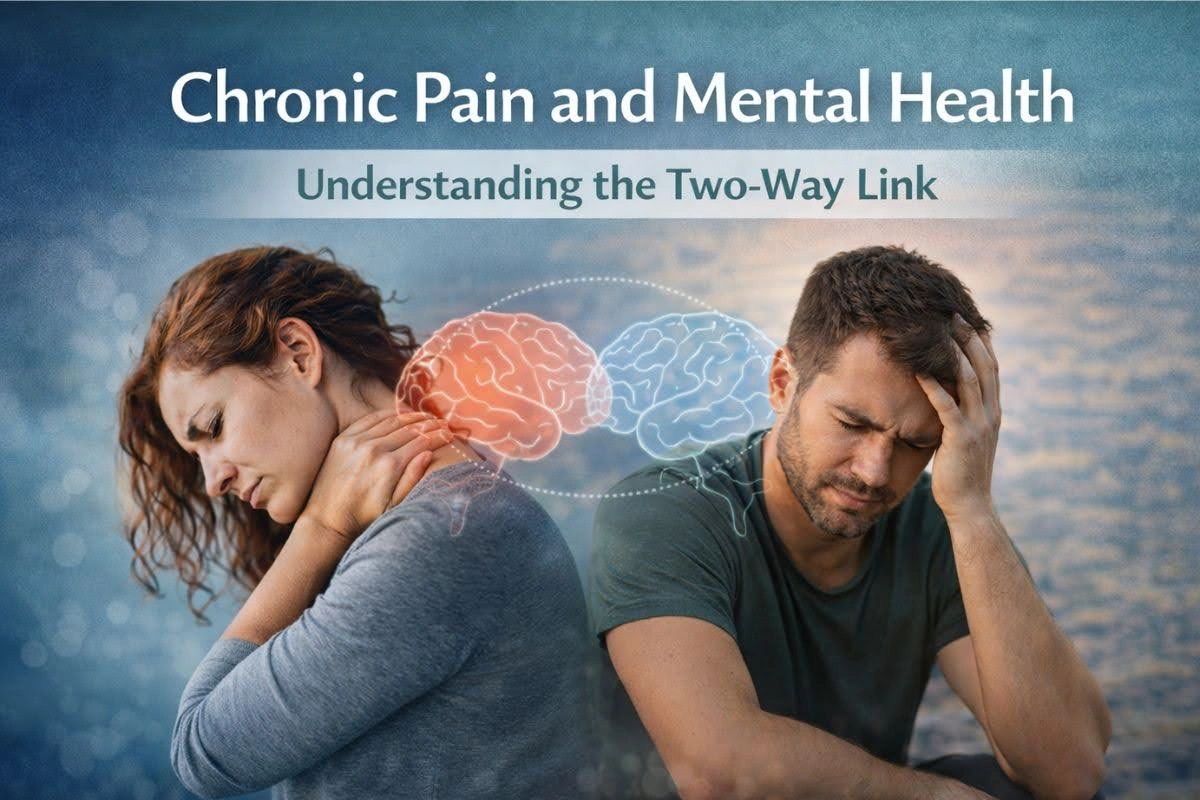
Pain is usually called chronic when it lasts longer than expected healing time, commonly defined as more than three months. Chronic pain can arise from clear tissue damage or disease such as arthritis, endometriosis, inflammatory bowel disease, or a spinal injury. However, sometimes pain persists even after tissues have healed, or pain is widespread and does not map neatly to a single injury. Conditions like fibromyalgia, chronic migraine, irritable bowel syndrome, chronic pelvic pain, temporomandibular disorders, and some types of back pain often involve changes in how the nervous system processes pain.
A helpful way to think about chronic pain is as a protective alarm system that has become overly sensitive. The alarm may still respond to real threats, but it can also trigger too easily or stay on for too long. This shift is influenced by biology, psychology, and social context, and that is where mental health becomes deeply relevant.
How Chronic Pain and Mental Health Shape Each Other
1) How chronic pain affects mental health
Living with chronic pain is exhausting. It can erode a person’s sense of control and predictability. Over time, that strain can lead to or worsen mental health challenges such as:
- Depression: Persistent pain can reduce engagement in enjoyable activities, disrupt work and relationships, and create a sense of loss of function, identity, or future plans. Depression is not weakness. It is a common response to prolonged stress and reduced reward or pleasure.
- Anxiety: Many people develop fear about flare ups, medical results, movement, or worsening symptoms. Anxiety can also grow from uncertainty, such as wondering, “Will I ever feel normal again?” or from repeated invalidation.
- Irritability and anger: Pain taxes the brain’s capacity to regulate emotions. Small frustrations can feel huge when you’re already maxed out.
- Sleep disorders: Chronic pain and sleep problems often feed each other. Poor sleep increases pain sensitivity; pain makes sleep lighter and more fragmented.
- Social isolation: When pain limits mobility, energy, or predictability, people often withdraw. Isolation itself worsens both pain and mood.
- Trauma-related symptoms: Some people develop trauma responses from medical experiences, accidents, or ongoing invalidation. Others have a trauma history that makes chronic pain more likely or more intense.
There is also something many people do not expect: chronic pain can change how your brain processes reward, motivation, and attention. When pain is constant, the brain prioritizes danger signals. That can make it harder to experience pleasure, focus, or feel hopeful, even if you deeply want to.
2) How mental health affects chronic pain
Mental health does not just shape how pain feels emotionally; it can also influence pain through stress physiology and nervous system signaling. Here are some key pathways:
- Stress response activation: Anxiety, chronic stress, and unresolved trauma can keep the body in a state of heightened arousal (sometimes called “fight-or-flight”). This can increase muscle tension, inflammation markers, and pain sensitivity.
- Attention and threat perception: Pain is partly shaped by what the brain decides is important and dangerous. When the brain is constantly scanning for threat, pain can become more prominent.
- Catastrophizing and rumination: Catastrophizing means getting stuck in thoughts like “This will never end” or “I’m broken.” This is not a character flaw. It is the human brain trying to predict and prevent harm. However, it can increase stress and amplify pain signals.
- Avoidance and deconditioning: Fear of pain can lead to avoiding movement, social activities, or work. Over time, avoidance can reduce strength and stamina, increase sensitivity, and make everyday tasks feel harder, reinforcing the pain cycle.
- Reduced coping resources: Depression and anxiety can drain energy, make planning difficult, and reduce motivation to follow through with pacing, exercise, therapy, or medication routines.
None of this means that pain is imaginary. Rather, it highlights that pain is a whole system experience, and mental health is an integral part of that system.
How the Nervous System Links Pain and Emotional Health
Pain is not a direct “readout” of tissue damage. It’s an output of the nervous system that integrates:
- sensory input from the body
- context (Where are you? Are you safe?)
- memory and learning (Has this hurt before?)
- mood and stress
- expectations and beliefs
- social cues (Do you feel supported or threatened?)
This is why two people with similar injuries can report very different pain levels. It is also why the same person can experience very different levels of pain on different days, depending on sleep, stress, inflammation, activity, and emotional load.
Central sensitization: the volume knob gets turned up
In some chronic pain conditions, the nervous system becomes more sensitive, a process often referred to as central sensitization. Think of it as the brain and spinal cord turning up the “gain” on sensory signals. Stimuli that were once neutral can feel painful, and painful signals can feel more intense or last longer.
Central sensitization is influenced by many factors, including sleep deprivation, stress, trauma history, and ongoing pain input. That’s one reason mental health care can meaningfully affect physical pain: it can help turn down the nervous system’s alarm state.
The overlap of brain networks
Brain regions involved in pain overlap heavily with regions involved in emotion, attention, and learning. Chronic pain is not just a body issue; it is a brain and body condition. This does not reduce its legitimacy. Instead, it expands the range of available treatment options.
The Vicious Cycle: How Pain and Mental Health Reinforce Each Other
A common loop looks like this:
- Pain flares →
- fear, stress, frustration increase →
- sleep gets worse, movement decreases →
- the body deconditions and sensitivity rises →
- pain becomes more frequent or intense →
- mood drops, anxiety rises →
- pain feels even harder to cope with →
- repeat.
This loop can be powerful, but it can also be interrupted. The goal is not to think your way out of pain, but to reduce amplification factors and increase safety cues for the nervous system.
Common Mental Health Challenges in Chronic Pain (and What They Look Like)
Living with persistent pain affects far more than the body. It can shape thoughts, emotions, and daily functioning in ways that are not always immediately recognized. Understanding these common mental health challenges is an important step toward identifying them early and addressing them effectively.
Depression
Depression in chronic pain may look like sadness, but it often looks like:
- fatigue and low motivation
- feeling numb or disconnected
- reduced interest in activities
- self-criticism (“I’m useless”)
- hopelessness about improvement
Because pain itself causes fatigue, depression can be missed. A clue is when low mood persists beyond the hardest pain days, and when pleasure and connection feel inaccessible.
Anxiety and health anxiety
Anxiety can show up as:
- constant monitoring of symptoms
- worry about movement or injury
- difficulty relaxing
- panic-like sensations during flare-ups
- repeated reassurance seeking or doctor visits (not because someone is “dramatic” but because uncertainty is unbearable)
Trauma and PTSD
Some people with chronic pain have trauma histories, including childhood adversity, assault, accidents, or medical trauma. Trauma can prime the nervous system to stay on high alert, making pain more likely or more intense.
Substance use concerns
Some people use alcohol, cannabis, or medications to cope with pain, sleep problems, or distress. This can be understandable and sometimes risky. The safest approach is compassionate, nonjudgmental care that balances relief with long term wellbeing.
What Helps: An Integrated Approach That Treats the Whole Person
Chronic pain rarely responds to a single “magic” treatment. It tends to respond best to a multi-layer plan that addresses:
- physical drivers (injury, inflammation, nerve irritation, biomechanics)
- nervous system sensitivity (sleep, stress, pacing, graded activity)
- emotional load (anxiety, depression, trauma)
- social factors (support, work accommodations, financial stress)
Below are approaches that many pain specialists recommend in combination. What’s best depends on your diagnosis, history, and preferences.
1) Pain education (yes, it matters)
Understanding pain physiology can reduce fear and catastrophizing. When you learn that pain can be amplified by the nervous system and that flare ups are not always damaging, many people feel safer moving and engaging in life again.
Key idea: hurt does not always mean harm, though sometimes it does. Red flags matter, and medical guidance is important.
2) Cognitive Behavioral Therapy (CBT) for chronic pain
CBT helps identify patterns that worsen pain, such as catastrophic thinking, all or nothing activity, avoidance, and harsh self talk, and replace them with skills that support function and mood. CBT does not deny pain; it changes the relationship with pain and reduces amplification.
Skills often include:
- pacing and activity planning
- thought reframing (without forced positivity)
- relaxation training
- sleep strategies
- goal-setting and problem-solving
3) Acceptance and Commitment Therapy (ACT)
ACT is especially helpful when pain is persistent. It focuses on:
- making room for difficult sensations without being dominated by them
- reducing struggle with pain (which often fuels distress)
- reconnecting with values and meaningful activities
It’s not “accept it and give up.” It’s “stop letting pain be the only driver of your life.”
4) Mindfulness-based approaches
Mindfulness can reduce reactivity, improve emotional regulation, and help people notice pain without immediate panic or tension. Some evidence-based programs include Mindfulness Based Stress Reduction MBSR. The goal is not to make pain vanish; it is to reduce the nervous system’s threat response.
5) Treating sleep as a core pain intervention
Sleep is one of the strongest predictors of pain intensity and coping capacity. Helpful steps may include:
- consistent wake time
- reducing screen/bright light before bed
- limiting long daytime naps
- addressing sleep apnea or restless legs if present
- CBT for insomnia (CBT-I), which is highly effective
If pain is waking you up, a clinician can help tailor medication timing or other strategies.
6) Movement: gentle, graded, and consistent
Exercise can feel impossible during pain, yet movement is one of the most effective long term interventions for many chronic pain conditions. The key is graded activity, not pushing through.
Think:
- start below your flare threshold
- increase slowly (minutes or repetitions)
- prioritize consistency over intensity
- include mobility, strength, and aerobic activity as tolerated
A physiotherapist who understands chronic pain can be a game changer, especially if they emphasize pacing and nervous system safety.
7) Medications that address both pain and mood (when appropriate)
Some medications can help both chronic pain and mental health symptoms, such as certain antidepressants that also target nerve pain pathways. Medication choices should be personalized and guided by a clinician, especially considering side effects and interactions.
It is also valid to pursue mental health medication even if pain is the primary issue, because improving mood and anxiety can improve pain tolerance and quality of life.
8) Trauma-informed care
If trauma is part of the picture, therapies like EMDR, trauma focused CBT, somatic therapies, or other trauma informed approaches can reduce hypervigilance and nervous system arousal. The right approach depends on the person, and trauma treatment should feel safe, paced, and collaborative.
9) Social support and communication skills
Pain often strains relationships. Support improves outcomes, but people also need tools to communicate needs without guilt.
Helpful strategies:
- use clear, specific requests (“Could you drive today?” “Can we do a shorter outing?”)
- avoid overexplaining (you don’t have to prove your pain)
- create “flare plans” with family or roommates
- join a support group (in-person or online) that feels validating and practical
Red Flags: When to Seek Immediate Help
Chronic pain and mental health struggles can sometimes become dangerous. Seek urgent support if you or someone you know experiences:
- thoughts of self-harm or suicide
- feeling unable to stay safe
- severe medication misuse or overdose risk
- sudden neurological symptoms (e.g., new weakness, loss of bladder/bowel control)
- chest pain, severe shortness of breath, or other emergency signs
In situations of immediate danger or when personal safety feels at risk, contact local emergency services without delay. For those who are struggling but not facing an urgent crisis, reaching out to a crisis helpline, a trusted friend or family member, or a qualified healthcare professional can provide important support. No one has to navigate these challenges alone.
If you are wondering whether professional treatment may be helpful, you may also find value in our guide on When Are Medicines Necessary for Mental Health? Signs & Guidance, which outlines key indicators and considerations for making informed decisions about care.
Practical Tools You Can Try This Week
Here are realistic, low-pressure steps that support both pain and mental health:
- Track patterns, not just pain scores
Note sleep, stress, movement, meals, and mood. Look for correlations rather than “perfect control.” - Choose one “anchor habit”
Examples: a 5–10 minute walk, gentle stretching, a regular wake time, or a brief breathing practice. Consistency matters more than intensity. - Practice pacing
Use a timer and stop before the flare. It can feel counterintuitive, but it’s one of the fastest ways to reduce boom-and-bust cycles. - Name the emotion without arguing with it
“I’m scared.” “I’m grieving.” “I’m angry.” Labeling reduces nervous system arousal. - Create a flare plan
Write a short list: what helps, what to avoid, who to contact, which meds or tools to use, and what reminders calm you (“Flare-ups pass. I can do the basics.”). - Ask for one specific kind of help
A ride, a meal, a shorter social plan, childcare coverage, or a check-in text. Specificity reduces friction and increases support.
How to Support Someone With Chronic Pain
If you care about someone in chronic pain, your response matters. The most helpful things are often:
- Believe them (even when you can’t see it)
- Validate feelings (“That sounds exhausting.”)
- Ask what’s helpful rather than guessing
- Offer choices (“Would you prefer rest or a short walk together?”)
- Encourage autonomy without pushing (“I’m here; tell me your pace.”)
Avoid suggesting that it’s “just stress” or that they should “stay positive.” Hope helps, but forced positivity can feel invalidating.
What Does Recovery Really Mean in Chronic Pain?
Many people measure success as “pain gone.” That’s understandable. But for chronic conditions, a more sustainable target is often:
- fewer severe flare-ups
- quicker recovery after flares
- improved sleep and mood
- more confidence and function
- better quality of life, even with some symptoms
This isn’t settling. It’s widening the definition of improvement so you can move forward while continuing to seek medical care and symptom relief.
For a deeper understanding of how to strengthen emotional connection and communication, explore our guide on How to Validate Someone’s Feelings and Become a Better Listener, where we share practical strategies to build trust and empathy in everyday interactions.
The NuTrans Health Model for Comprehensive Recovery
Chronic pain and mental health are closely linked. Pain can lead to depression, anxiety, and isolation, while emotional distress can intensify pain through the nervous system’s stress response. Recognizing this connection does not make pain less real; it makes it more treatable. The Mental Health Counseling services provided by NuTrans Health play an important role in helping individuals break this cycle and build emotional resilience alongside physical recovery.
Effective care is integrated, combining medical evaluation, rehabilitation, nervous system regulation, and psychological support. At NuTrans Health, we take a whole person approach, addressing both physical symptoms and emotional wellbeing to help individuals achieve improved function, stability, and a better quality of life.
Related Blogs
Mental Health Services in Raleigh NC and How AI Improves It
Mental Health Services in Raleigh NC and How AI...
Read MoreMental Health Counseling and Workplace Stress in Raleigh
Mental Health Counseling and Workplace Stress in Raleigh The...
Read MoreTeletherapy vs. In-Person Counseling: Which One is Right for You?
Teletherapy vs. In-Person Counseling: Which One is Right for...
Read More