Comfort objects are everyday items that provide emotional support, reduce anxiety, and help people feel safe during stressful situations. These can include anything from a child’s blanket or teddy bear to an adult’s favorite hoodie, piece of jewelry, or personal keepsake.
Research shows these attachments are both common and psychologically important. A study published in the Journal of the American Academy of Child & Adolescent Psychiatry found that around 50% of children form strong attachments to comfort objects, using them to cope with stress and separation. Additionally, research in Healthcare (MDPI, 2024) highlights that comfort objects can support emotional regulation and reduce stress responses. This article examines what comfort objects are, their psychological benefits in children and adults, and the mechanisms behind how they reduce anxiety and support mental health.
Table of Contents- What Are Comfort Objects?
- Best Comfort Objects for Anxiety
- Psychological Benefits of Comfort Objects in Children (Anxiety & Emotional Development)
- How Comfort Objects Help Adults with Anxiety and Emotional Regulation
- The Psychology and Science Behind Comfort Objects
- Modern Comfort Objects (Digital Evolution)
- When Can Comfort Objects Become Unhealthy?
- How to Use Comfort Objects Effectively
- Take Control of Your Mental Health Today with Nutrans Health
What Are Comfort Objects?
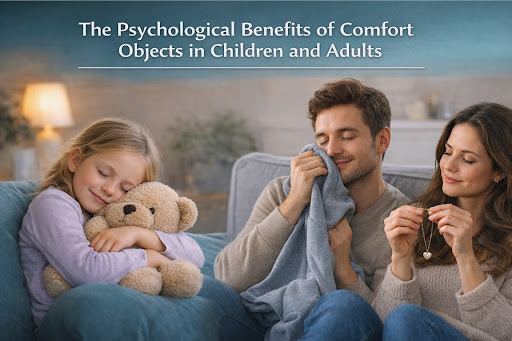
Comfort objects are physical items that provide emotional support, security, and a sense of stability, especially during stress, anxiety, or change. In psychology, they are known as transitional objects, a concept introduced by Donald Winnicott to describe how individuals move from dependence to independence.
These objects gain value through emotional association, not material worth. Over time, the brain links them with feelings of safety, familiarity, and calm.
Key Characteristics of Comfort Objects
- They are familiar and consistent
- They carry strong emotional associations
- They help with self-soothing and emotional regulation
- They provide a sense of control in uncertain situations
In essence, comfort objects act as emotional anchors, helping individuals feel grounded and secure when facing stress or emotional discomfort.
Best Comfort Objects for Anxiety
Certain comfort objects are particularly effective for reducing anxiety and promoting calm.
- Weighted blankets (deep pressure calming effect)
- Soft fabrics or plush items
- Stress balls or tactile tools
- Sentimental objects (photos, gifts, jewelry)
- Familiar clothing (hoodies, scarves)
- Digital comfort items (voice notes, messages)
These objects work by combining sensory comfort, emotional association, and familiarity, making them powerful tools for anxiety management.
Psychological Benefits of Comfort Objects in Children (Anxiety & Emotional Development)
Comfort objects play a significant psychological role in childhood by supporting emotional, cognitive, and behavioral development. These benefits go beyond simple comfort and contribute to how children learn to understand and manage their internal world.
1. Facilitate Emotional Processing
Comfort objects help children process emotions they may not yet fully understand or express.
- Provide a safe outlet for feelings like fear, frustration, or sadness
- Help children externalize emotions through interaction (e.g., talking to or holding the object)
- Reduce emotional overwhelm by offering a calming focus
- Support gradual understanding of complex emotions
2. Strengthen Attachment Security
Comfort objects reinforce a child’s sense of emotional security, especially in the absence of caregivers.
- Act as a symbolic extension of parental presence
- Help maintain emotional stability during brief separations
- Support the development of secure attachment patterns
- Reduce distress in unfamiliar or socially demanding situations
3. Promote Independence and Confidence
While they may seem like a dependency, comfort objects actually support independence.
- Allow children to explore environments with reduced anxiety
- Build confidence in handling situations without constant parental support
- Encourage risk-taking in a psychologically safe way
- Help children feel in control of their emotional state
4. Support Cognitive and Imaginative Development
Comfort objects often become part of a child’s imaginative and cognitive growth.
- Encourage symbolic thinking and creativity
- Help children role-play and understand social situations
- Support storytelling and emotional expression through play
- Aid in developing problem-solving and perspective-taking skills
5. Enhance Adaptability to Change
Children frequently face new experiences—starting school, meeting new people, or changes in routine.
- Provide stability during transitions
- Help children adjust more quickly to new environments
- Reduce resistance to change by offering familiarity
- Improve emotional flexibility over time
6. Build Early Emotional Regulation Skills
Comfort objects contribute to the development of foundational emotional regulation abilities.
- Help children calm themselves during distress
- Teach early coping strategies that carry into adulthood
- Reduce reliance on immediate external soothing
- Strengthen long-term emotional resilience
How Comfort Objects Help Adults with Anxiety and Emotional Regulation
While often associated with childhood, comfort objects continue to play an important psychological role in adulthood. In many cases, they function more subtly but still provide meaningful support for emotional stability, identity, and mental well-being.
1. Reduce Anxiety and Emotional Overwhelm
One of the most important benefits for adults is anxiety reduction.
- Provide immediate comfort during anxious or stressful moments
- Help ground individuals during panic or overthinking
- Offer a physical anchor to bring attention back to the present
- Reduce mental intensity by creating a sense of familiarity and safety
- Support calming routines during high-pressure situations
2. Reinforce Emotional Stability During Stress
In adulthood, stress often comes from work, relationships, or life transitions.
- Help maintain emotional balance in high-pressure environments
- Act as a quick emotional “reset” during overwhelming situations
- Reduce emotional spikes and improve overall stability
- Provide reassurance when external situations feel uncertain
3. Support Identity and Personal Continuity
Comfort objects often carry personal history, making them important for maintaining a sense of self.
- Connect individuals to meaningful memories and experiences
- Reinforce identity during major life changes
- Provide continuity across different stages of life
- Help individuals stay emotionally grounded during transitions
4. Aid in Coping With Loss and Grief
Objects associated with loved ones can play a powerful role in emotional healing.
- Maintain a sense of connection after loss
- Provide comfort during grief and loneliness
- Allow gradual emotional processing
- Offer a non-verbal way to deal with emotional pain
5. Enhance Emotional Regulation in Daily Life
Comfort objects can be used as subtle tools for managing everyday emotions.
- Help regulate mood during triggering situations
- Provide calming sensory input (touch, familiarity)
- Support grounding and mindfulness techniques
- Reduce emotional reactivity
6. Reduce Feelings of Loneliness and Isolation
In modern life, many adults experience emotional or social isolation.
- Create a sense of emotional presence or connection
- Provide comfort in solitude
- Help individuals feel less disconnected
- Offer reassurance without dependence on others
7. Improve Focus and Mental Clarity
By reducing anxiety and emotional noise, comfort objects can improve cognitive performance.
- Help clear mental clutter caused by stress
- Improve concentration and productivity
- Support calm, focused thinking
- Provide a sense of control in demanding situations
The Psychology and Science Behind Comfort Objects
Comfort objects are effective because they align with how the brain processes attachment, memory, and sensory input. Their calming effect is rooted in well-established psychological and biological mechanisms.
- Attachment: Comfort objects act as symbolic sources of safety, helping individuals feel secure even in the absence of caregivers or support
- Memory association: They are linked with positive experiences, allowing the brain to quickly trigger feelings of comfort and familiarity
- Sensory regulation: Touch, texture, and familiarity help calm the nervous system and reduce physical tension
- Neurochemical response: Interaction with meaningful objects can promote calming hormones like oxytocin and reduce stress hormones such as cortisol
- Emotional anchoring: They provide a stable reference point, helping individuals return to a calm emotional state during stress
Together, these mechanisms make comfort objects powerful tools for reducing anxiety and supporting emotional regulation.
Modern Comfort Objects (Digital Evolution)
Digital elements have become powerful sources of emotional support in modern life. With constant access to phones and digital media, people increasingly rely on intangible yet meaningful content to regulate emotions and feel connected.
- Photos, messages, and playlists can instantly evoke positive memories, reminding individuals of loved ones, safe environments, or meaningful moments
- Social media memories (such as archived posts or “on this day” features) reinforce a sense of continuity and emotional connection
- Voice notes or saved conversations can recreate feelings of closeness, especially during loneliness or stress
Unlike traditional objects, digital comfort items are highly accessible, making them a convenient and immediate coping tool.
When Can Comfort Objects Become Unhealthy?
While comfort objects are generally helpful, their impact depends on how they are used. They can become unhealthy when reliance shifts from supporting emotional coping to replacing it entirely.
- Overdependence on the object can limit the ability to cope independently, especially if its absence causes distress or anxiety
- Avoidance of real-life situations may occur when the object is used to escape rather than manage emotions
- Interference with daily functioning becomes a concern if it affects work, relationships, or responsibilities
- Lack of diverse coping strategies can reduce emotional flexibility and resilience over time
- Increased anxiety around the loss of the object may create additional stress instead of reducing it
When comfort objects begin to restrict growth or replace healthy coping methods, it’s important to reassess their use and consider additional support if needed.
Recognizing the key signs you need mental health support can help you take the right next step.
How to Use Comfort Objects Effectively
To gain the most benefit, comfort objects should be used intentionally as part of a broader emotional coping strategy rather than as a sole solution.
- Choose meaningful objects: Select items that genuinely evoke feelings of safety, calm, or positive memories
- Pair with mindfulness techniques: Use comfort objects alongside practices like deep breathing, meditation, or grounding exercises to enhance their calming effect
- Avoid over-reliance: Relying exclusively on one object can limit emotional growth, so it’s important to develop multiple coping strategies
- Build intentional associations: Repeatedly using an object during calm or positive moments strengthens its ability to provide comfort during stress
- Use them as support tools, not substitutes: They should complement emotional regulation, not replace deeper coping mechanisms or professional help when needed
Finding the right support matters, and learning how to find the right therapist in Raleigh, NC can help you take the next step toward better mental health.
Take Control of Your Mental Health Today with Nutrans Health
Comfort objects help reduce anxiety and support emotional regulation, but lasting well-being requires stronger, long-term coping strategies. If you’re experiencing ongoing anxiety, stress, or emotional challenges, professional support can help you build stronger, long-term coping strategies.
NuTrans Health, a trusted mental health clinic in Raleigh, connects residents with experienced therapists and psychiatric providers. Through Cognitive Behavioral Therapy, stress management programs, and personalized mental health counselling services, NuTrans Health helps you manage anxiety and improve your overall emotional well-being.
Reach out today and take the first step toward a calmer, more balanced life.
Related Blogs
Mental Health Services in Raleigh NC and How AI Improves It
Mental Health Services in Raleigh NC and How AI...
Read MoreMental Health Counseling and Workplace Stress in Raleigh
Mental Health Counseling and Workplace Stress in Raleigh The...
Read MoreTeletherapy vs. In-Person Counseling: Which One is Right for You?
Teletherapy vs. In-Person Counseling: Which One is Right for...
Read More