Art therapy is not about being artistic or creating perfect work. It is about using creative expression as a therapeutic tool to explore emotions, reduce stress, process experiences, and build resilience.
In a world that often prioritizes productivity and performance, emotional expression can quietly become neglected. Many people struggle to put their inner experiences into words. Stress, trauma, grief, anxiety, and depression are not always easy to explain verbally. Sometimes the body feels heavy, the mind feels crowded, and language simply falls short.
Art therapy offers another way. For many individuals, drawing, painting, sculpting, or other forms of visual expression gently open doors that traditional conversation alone may not fully access, allowing emotions and insights to surface in a natural and supportive way.
This comprehensive guide explores what art therapy is, how it works, who it benefits, the science behind it, common techniques, and how it supports long term emotional well being.
Table of Contents- What Is Art Therapy?
- Why Art Therapy Matters in Mental Health Care
- How Art Therapy Supports the Brain and Nervous System
- Emotional Benefits of Art Therapy
- Art Therapy for Specific Mental Health Concerns
- Art Therapy Across the Lifespan
- Common Art Therapy Techniques
- Art Therapy vs Recreational Art
- Addressing Common Misconceptions
- How Can Art Therapy Complement Other Forms of Treatment?
- How Can You Practice Therapeutic Art at Home?
- When to Seek Professional Art Therapy
- NuTrans Health’s Vision for Integrated, Expressive Healing
What Is Art Therapy?
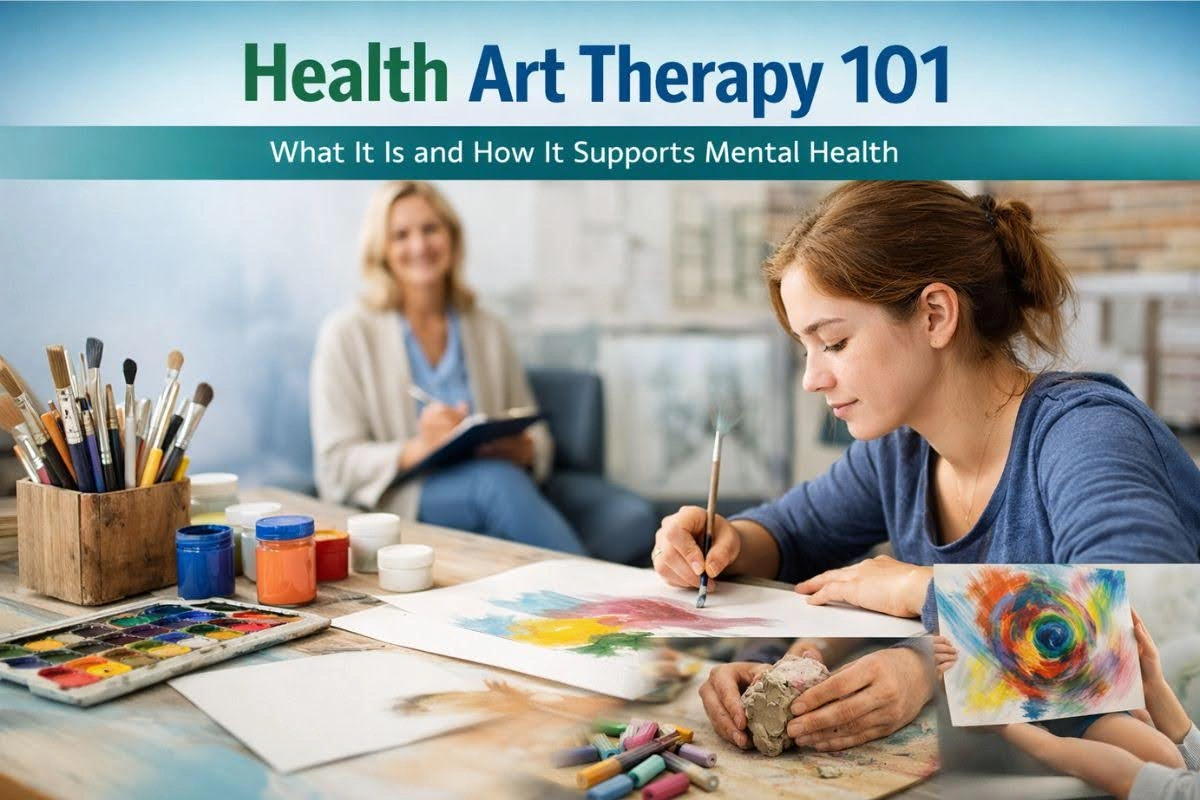
Art therapy is a form of psychotherapy that integrates creative processes with evidence based psychological principles. It is facilitated by a trained art therapist who helps individuals use artistic expression as a way to explore thoughts, emotions, memories, and experiences.
Unlike casual art making, art therapy has therapeutic goals. The focus is not on artistic skill or the final product. Instead, the emphasis is on the process of creation and the meaning that emerges from it.
Art therapy may include:
- Drawing
- Painting
- Collage
- Sculpting
- Clay work
- Mixed media
- Mandala creation
- Visual journaling
Sessions may be individual or group based and can be adapted for children, adolescents, adults, and older individuals.
Why Art Therapy Matters in Mental Health Care
Traditional talk therapy relies on verbal communication. While many people benefit greatly from verbal processing, others may find it difficult to articulate complex emotions, especially when those emotions are tied to trauma, early childhood experiences, or overwhelming stress.
Art therapy provides a non verbal pathway.
Creative expression allows emotions to surface indirectly and safely. Sometimes a color choice, shape, or image communicates something that words cannot. For individuals who feel stuck, disconnected, or emotionally blocked, art can bypass internal barriers.
This makes art therapy especially valuable for:
- Children who lack emotional vocabulary
- Individuals who have experienced trauma
- People who struggle with emotional regulation
- Those experiencing grief or loss
- Individuals with anxiety or depression
- People dealing with chronic stress or burnout
How Art Therapy Supports the Brain and Nervous System
Art therapy works not only on a psychological level but also on a neurological one.
Engaging both hemispheres of the brain
Creative processes activate brain regions involved in emotion, memory, sensory processing, and executive functioning. When individuals create art, both analytical and emotional areas of the brain are engaged. This integration can help process unresolved experiences.
Reducing stress hormones
Creative activity has been associated with reduced cortisol levels in some studies. Lower cortisol supports calmer mood, improved focus, and better emotional regulation.
Activating the parasympathetic nervous system
Art making can create a meditative effect. Repetitive motions such as coloring, shading, or sculpting help shift the nervous system out of fight or flight mode and into a calmer state.
Supporting trauma processing
Trauma often lives in sensory and emotional memory rather than narrative memory. Because art engages sensory pathways, it can help individuals safely process stored experiences without overwhelming verbal recounting.
Emotional Benefits of Art Therapy
Art therapy supports emotional growth in ways that are both subtle and transformative, helping individuals access, understand, and regulate their inner experiences more effectively.
Emotional expression without pressure
Many individuals struggle to speak openly about fear, anger, shame, or sadness. Art allows these emotions to be expressed symbolically and safely.
Improved emotional regulation
Creative processes help individuals tolerate difficult emotions without becoming overwhelmed. Over time, this builds emotional resilience.
Increased self awareness
Viewing one's artwork can reveal patterns, themes, or subconscious concerns. This fosters insight and personal growth.
Reduced anxiety
The act of creating art encourages mindfulness and present moment focus. This can reduce racing thoughts and physical tension.
Enhanced mood
Creative engagement can boost dopamine, the neurotransmitter associated with pleasure and motivation.
Strengthened self esteem
Completing artwork and witnessing personal expression can increase confidence and self acceptance.
Art Therapy for Specific Mental Health Concerns
Art therapy can be tailored to address a wide range of psychological challenges, offering targeted support that aligns with individual emotional needs and therapeutic goals.
Anxiety disorders
Art therapy can help individuals externalize worries, identify triggers, and practice calming techniques through visual representation.
Depression
For those experiencing low motivation, art therapy provides a gentle way to engage with emotion and rebuild a sense of accomplishment.
Trauma and post traumatic stress
Art therapy is frequently used in trauma informed care. Visual storytelling allows trauma processing without immediate verbal intensity.
Grief and loss
Creating art in memory of a loved one or representing loss visually can support emotional processing and healing.
Eating disorders
Art therapy can help individuals explore body image, self perception, and emotional regulation in non confrontational ways.
Chronic illness and pain
Creative expression provides emotional release and reduces stress associated with long term health challenges.
Art Therapy Across the Lifespan
Art therapy is adaptable at every stage of life, offering age appropriate tools that support emotional expression, resilience, and psychological growth from childhood through older adulthood.
Children
Children naturally communicate through play and creativity. Art therapy helps them express feelings they may not understand cognitively. It is widely used in schools and pediatric settings.
Adolescents
Teens often resist direct questioning but respond well to creative exploration. Art therapy can help navigate identity development, peer stress, and emotional intensity.
Adults
Adults benefit from art therapy in managing work stress, relationship challenges, life transitions, and mental health disorders.
Older adults
Art therapy supports cognitive stimulation, memory engagement, and emotional expression in aging populations.
Common Art Therapy Techniques
Art therapists use a variety of structured creative approaches, each designed to help individuals safely explore emotions, process experiences, and build greater self awareness.
Mandala creation
Drawing circular patterns supports focus and relaxation. Mandalas can reflect inner balance and emotional states.
Emotion color mapping
Clients assign colors to emotions and create abstract pieces representing internal experiences.
Safe place imagery
Individuals draw or paint a place where they feel secure. This image can later be used for grounding during stress.
Visual journaling
Combining words and images allows ongoing emotional reflection.
Collage work
Cutting and arranging images from magazines helps externalize thoughts and explore identity themes.
Clay sculpting
Working with clay engages tactile senses and can release stored tension.
Art Therapy vs Recreational Art
It is important to distinguish between art therapy and casual art making. Recreational art can be relaxing and beneficial, but art therapy includes structured therapeutic intention guided by a trained professional.
An art therapist:
- Understands psychological frameworks
- Interprets symbolic themes carefully
- Ensures emotional safety
- Guides reflection without imposing meaning
- Adapts techniques to mental health goals
Addressing Common Misconceptions
Despite its growing recognition in mental health care, art therapy is often misunderstood, and clarifying these misconceptions can help individuals feel more open and confident about exploring it as a therapeutic option.
You do not need artistic talent
Art therapy focuses on expression, not skill. Stick figures and abstract shapes are equally valid.
It is not about producing beautiful work
The value lies in the process, not the final product.
It is not childish
Art therapy is used with adults in hospitals, mental health clinics, trauma centers, and corporate wellness programs.
How Can Art Therapy Complement Other Forms of Treatment?
Art therapy works best when integrated into a comprehensive care plan that may include:
- Individual psychotherapy
- Cognitive behavioral strategies
- Stress management techniques
- Medication when appropriate
- Lifestyle adjustments
- Mindfulness practices
Creative expression complements these approaches by adding depth and emotional accessibility.
How Can You Practice Therapeutic Art at Home?
While formal art therapy requires a trained professional, individuals can incorporate art based self care practices:
- Keep a visual journal
- Use coloring books for relaxation
- Paint abstract representations of mood
- Create gratitude collages
- Sketch daily reflections
- Experiment with clay or crafts
The key is to approach art without judgment.
For simple, practical strategies you can start using right away, explore our article Two Easy Techniques to Calm Your Nervous System and Improve Mental Well Being, which outlines effective methods to reduce stress and restore emotional balance.
When to Seek Professional Art Therapy
Consider seeking art therapy if:
- Emotions feel difficult to verbalize
- Trauma memories feel overwhelming
- Anxiety or depression persist
- You feel disconnected from yourself
- Traditional talk therapy feels limiting
- Your child struggles to communicate feelings
Professional guidance ensures safety and therapeutic progress.
To strengthen your communication skills and deepen emotional connection, explore our guide on How to Validate Someone’s Feelings and Become a Better Listener, where we share practical techniques for building empathy and trust in everyday conversations.
NuTrans Health’s Vision for Integrated, Expressive Healing
Art therapy is not about talent or performance. It is about giving shape to what feels formless. It provides a safe bridge between emotion and understanding. Through color, texture, and imagery, individuals access parts of themselves that may otherwise remain hidden.
At NuTrans Health, we believe mental health care should address the whole person, not just symptoms. Art therapy reflects this philosophy by combining emotional expression, nervous system regulation, and psychological insight into one integrated approach. As part of our comprehensive care model, our Stress Management Program further supports individuals in developing practical tools to regulate stress, strengthen resilience, and enhance overall emotional wellbeing. Healing does not always happen through words alone. Sometimes it begins with color, texture, movement, and creative exploration.
For those seeking personalized mental health support, connecting with an experienced Therapist in Charlotte, NC at NuTrans Health can provide a safe space to explore both creative and traditional therapeutic approaches tailored to individual needs.
Related Blogs
Mental Health Services in Raleigh NC and How AI Improves It
Mental Health Services in Raleigh NC and How AI...
Read MoreMental Health Counseling and Workplace Stress in Raleigh
Mental Health Counseling and Workplace Stress in Raleigh The...
Read MoreTeletherapy vs. In-Person Counseling: Which One is Right for You?
Teletherapy vs. In-Person Counseling: Which One is Right for...
Read More